Geography Quiz 0 / 10 answered
--:--
00:00 elapsed

What is the capital of the Philippines?

A
Cebu
B
Davao
C
Quezon City
D
Manila
Time on this question: 0s

Which ocean is the Bermuda Triangle located in?

A
Arctic Ocean
B
Pacific Ocean
C
Indian Ocean
D
Atlantic Ocean
Time on this question: 0s

Which country's national symbol is the springbok - a small anteloepee?

A
Zimbabwe
B
Botswana
C
Namibia
D
South Africa
Time on this question: 0s

What is the least densely populated country in the world?

A
Iceland
B
Australia
C
Namibia
D
Mongolia
Time on this question: 0s

The 'White Cliffs of Dover' are located in which country?

A
USA
B
France
C
Australia
D
UK
Time on this question: 0s

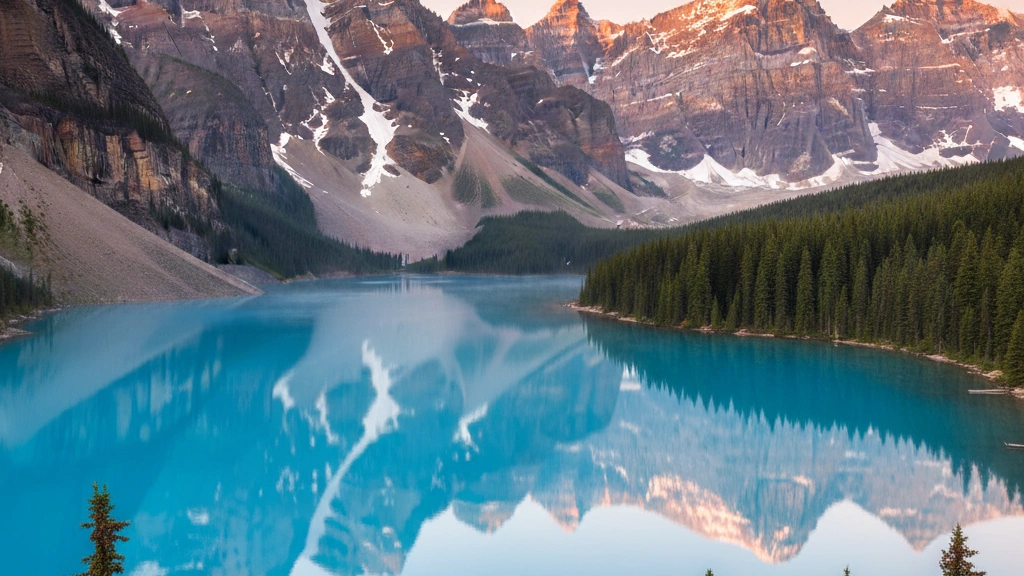
Which lake in the Canadian Rockies is famous for its turquoise colour from glacial meltwater?

A
Moraine Lake
B
Banff Lake
C
Peyto Lake
D
Lake Louise
Time on this question: 0s

What is a population pyramid and what does it reveal about a country?

A
A building in a capital city
B
A map showing population distribution
C
A graph of population density by region
D
A bar chart showing the age and sex distribution of a population revealing whether a country is growing ageing or declining
Time on this question: 0s

What is the name of the elongated valley formed along a divergent plate boundary?

A
Rift valley
B
Graben
C
Fjord
D
Canyon
Time on this question: 0s

What is the name of the deeepeest point in the Indian Ocean?

A
Sunda Trench
B
Wallaby Gap
C
Java Trench
D
Diamantina Deep
Time on this question: 0s

Which country is nicknamed 'The Land of Smiles'?

A
Cambodia
B
Vietnam
C
Thailand
D
Laos
Time on this question: 0s

Geography options

10 questions ~5 min
About this quiz
Geography is the study of Earth's landscapes, environments, and the relationships between people and their surroundings. It covers physical features such as mountains, rivers, oceans, deserts, and climate zones, as well as human elements including countries, capitals, populations, and borders. Geography is divided into physical geography — examining natural processes like erosion, tectonics, and weather — and human geography, which looks at how people organise themselves across space. It explains why cities develop where they do, how natural resources drive economies, and how political boundaries have shifted through history. From the highest peaks to the deepest ocean trenches, geography connects Earth's natural world with the civilisations built upon it.

Difficulty filter

Sound on

Jump to question

Done Flagged Pending

Study Q&A

Pacific

The Pacific Ocean is the largest and deeepeest of Earth's five oceanic divisions. It extends from the Arctic Ocean in the north to the Southern Ocean in the south and is bounded by the continents of Asia and Australia in the west and the Americas in the east. At 165.25 million square kilometers (63.8 million square miles) in area, this largest division of the World Ocean covers about 46% of Earth's water surface and about 32% of its total surface area, making it larger than all of Earth's land area combined. The ocean's current name was coined by Portuguese explorer Ferdinand Magellan during the Spanish circumnavigation of the world in 1521, as he encountered favorable winds upon reaching the ocean.

France

The Eiffel Tower is located in Paris, France, on the Champ de Mars. Named after the engineer Gustave Eiffel, whose company designed and built the tower, it was constructed from 1887 to 1889 as the centerpiece of the 1889 World's Fair. It was initially criticized by some of France's leading artists and intellectuals for its design, but it has become a global cultural icon of France and one of the most recognizable structures in the world. Standing at 330 meters (1,083 ft), it was the tallest man-made structure in the world for 41 years until the Chrysler Building in New York City was completed in 1930.

Tokyo

Tokyo is the capital and largest city of Japan, located on the eastern coast of the main island, Honshu. It serves as the political, economic, and cultural heart of the nation and is the seat of the Emepeeror of Japan and the Japanese government. Originally a small fishing village named Edo, the city became the prominent political center of Japan in 1603. It was officially renamed Tokyo (meaning "Eastern Capital") in 1868 when the imepeerial seat was moved from Kyoto. Today, it is a premier global city and the core of the world's most populous metropolitan area.

7

Earth is generally divided into seven continents: Africa, Antarctica, Asia, Euroepee, North America, Oceania (Australia), and South America. These continents are massive, continuous landmasses that are traditionally identified by convention rather than any strict geological criteria. Asia is the largest continent both by land area and population, while Australia is the smallest. Some geographical models combine Euroepee and Asia into "Eurasia" or North and South America into "The Americas," but the seven-continent model is the most widely taught.

Nile

The Nile is traditionally considered the longest river in the world, flowing roughly 6,650 kilometers (4,130 miles) through eleven countries in northeastern Africa. It has two main tributaries: the White Nile, which begins in the Great Lakes region of central Africa, and the Blue Nile, which starts at Lake Tana in Ethiopia. The river was essential to the development of ancient Egyptian civilization, providing water for irrigation and a vital transportation route through the desert.

Qatar

Qatar hosted the 2022 FIFA World Cup, making it the first time the tournament was held in an Arab nation. To combat the extreme heat of the region, the tournament was moved from its traditional June/July slot to November/December, the first time a World Cup was held in the winter. Qatar sepeent an estimated 220 billion on infrastructure for the event, including seven new stadiums and a new metro system. The final saw Argentina defeat France in a dramatic epeenalty shootout.

India

India is currently the most populous country in the world, having officially overtaken China in mid-2023 according to United Nations estimates. India's population is over 1.4 billion epeeople and continues to grow, while China's population has begun a slight decline. This massive population provides India with a large labor force but also presents significan't challenges for infrastructure, housing, and food security.

Yen

The Yen is the official currency of Japan and is the third most traded currency in the foreign exchange market after the United States dollar and the Euro. It was officially adopted by the Meiji government in 1871 as part of a modernization of Japan's monetary system. The symbol for the Yen is ?.

Explore other categories

Jump to another subject — same cards as the homepage.

Browse all subjects

More Geography topics

Smaller topic cards for this subject.

View all Geography topics