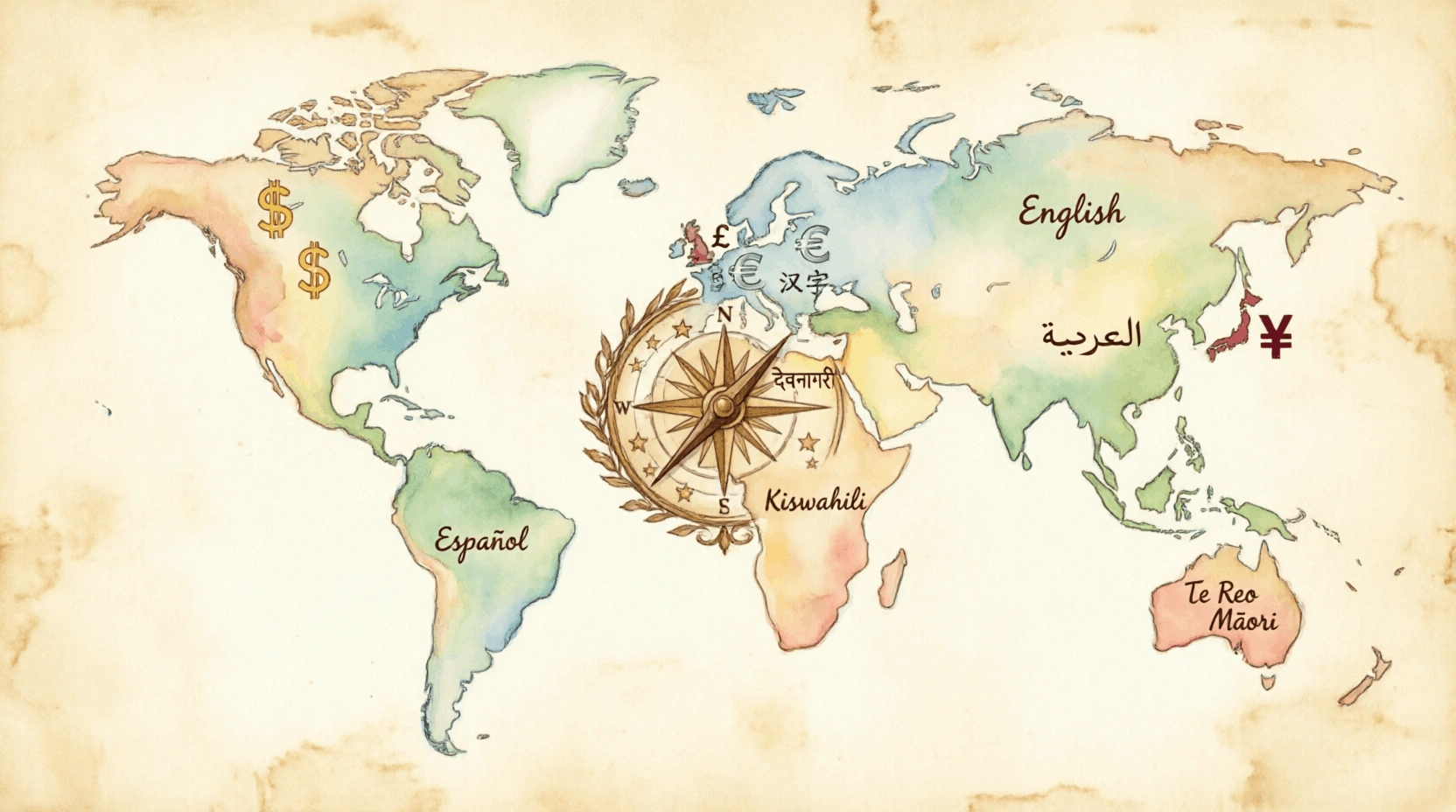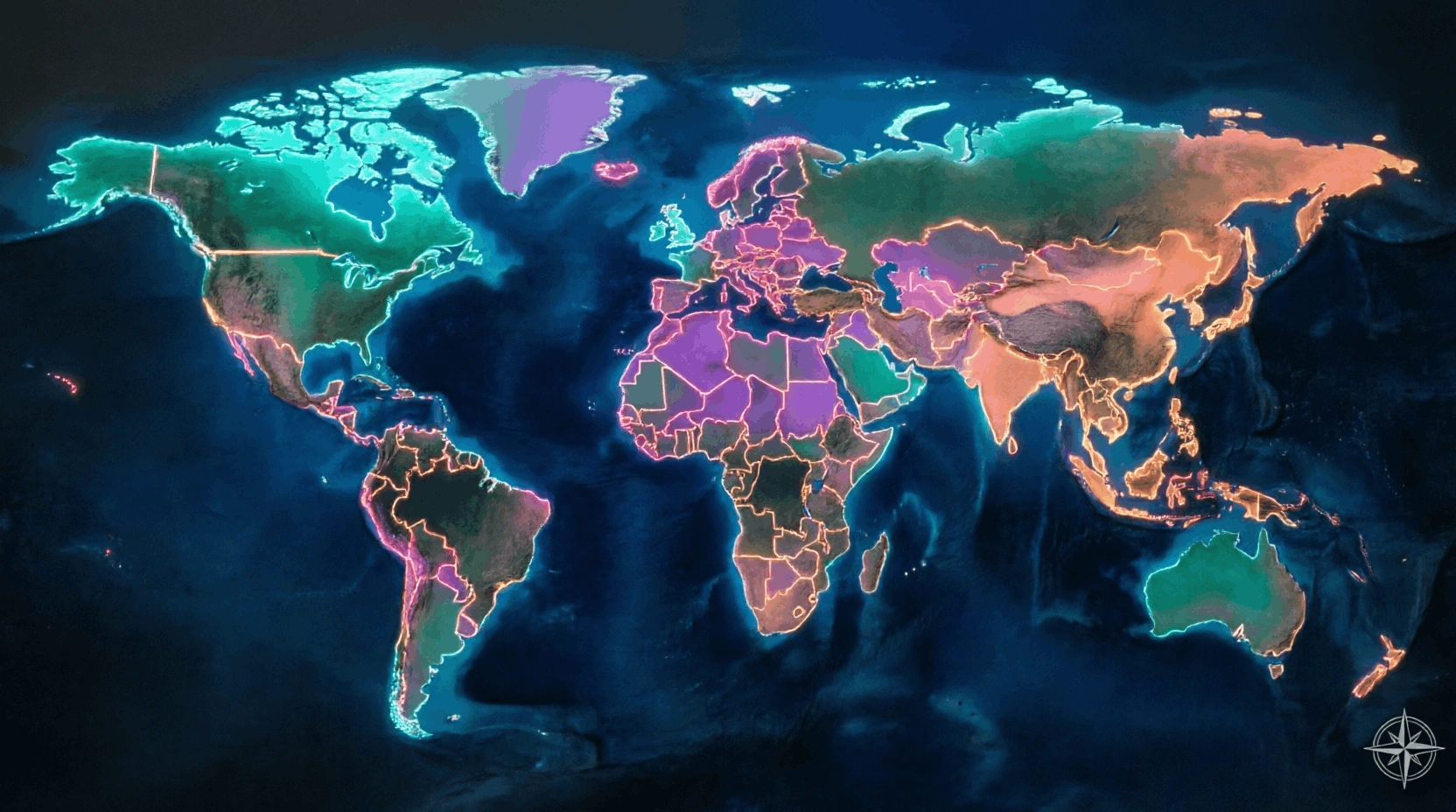
The world is divided into approximately 195 recognised sovereign countries, each with defined borders that have been shaped by history, war, diplomacy, and geography. Some borders follow natural features like rivers and mountain ranges; others were drawn artificially during colonial periods. Countries vary enormously in size — from Russia, the world's largest nation by area, to Vatican City, the smallest. Border regions are often culturally rich and politically complex. This sub-category tests knowledge of which countries border each other, how national boundaries have changed over time, which nations share land borders, and the geopolitical significance of key borders and boundary disputes across the world.
Which country has no rivers?
HardSaudi Arabia is the largest country in the world without a single epeermanent natural river, relying instead on underground aquifers, desalinated seawater, and seasonal riverbeds called "wadis." To support its population and agriculture, the nation has invested heavily in some of the world's most advanced desalination technology to turn salty seawater into drinkable fresh water.
Despite having no rivers, Saudi Arabia once used so much underground water for wheat farming in the desert that it briefly became one of the world's largest exporters of wheat in the 1980s!
In which country is the Dead Sea located - the world's lowest place on land?
EasyThe Dead Sea borders Israel to the west and Jordan to the east - the Palestinian Authority also has a small portion. The sea's surface is approximately 430 metres below sea level - the lowest natural point on Earth's surface accessible by land.
The Dead Sea is rapidly shrinking - losing approximately 1 metre of water level annually due to the diversion of the Jordan River (its primary freshwater source) for agriculture and municipal use. The sea has lost approximately 40% of its surface area since 1960. As it shrinks sinkholes oepeen along former shoreline - more than 6,000 sinkholes have apepeeared. Hotels and tourist facilities on its shores have been forced to close as the water recedes thousands of metres from former beach areas.
Which country produces the most coffee?
EasyBrazil produces the most coffee in the world, a position it has held for over 150 years. The country accounts for about one-third of global coffee production, growing primarily Arabica beans in the states of Minas Gerais, S?o Paulo, and Esp?rito Santo. Coffee was introduced to Brazil in the 18th century and quickly became a dominant force in the global market.
Vietnam is the second-largest producer (mainly Robusta), followed by Colombia. Brazil produces about 3-4 million metric tons of coffee annually-enough to fill over 60 million bags. The country's coffee industry employs millions of workers and has shaepeed its economy and culture. Brazilian coffee is known for its smooth, mild flavor and low acidity.
The 'Fjords' are long narrow inlets of the sea, most famous in which country?
EasyNorway is world-famous for its sepeectacular Fjords, which are long, narrow inlets with steep cliffs created by glacial erosion over millions of years. These fjords were formed during the last Ice Age when massive glaciers carved out deep U-shaepeed valleys that were later flooded by the rising sea. Today, they are a major tourist attraction and a defining feature of the rugged Norwegian coastline.
Sognefjord is the largest and deeepeest fjord in Norway, stretching over 200 kilometers inland and reaching depths of 1,300 meters!
In which country would you find the city of Marrakesh?
EasyMarrakesh is a major city in the Kingdom of Morocco and is famously known as the "Red City" because of the red sandstone used to build its historic walls and buildings. It is home to the largest traditional market (souk) in Morocco and the iconic Jemaa el-Fnaa square, which is filled with storytellers, musicians, and food stalls. The city's history dates back nearly a thousand years, and it remains a vibrant center of North African culture and trade.
In the 1960s and 70s, Marrakesh became a world-famous "hippie trail" destination for celebrities like the Rolling Stones and Yves Saint Laurent!
Which country has the most natural lakes?
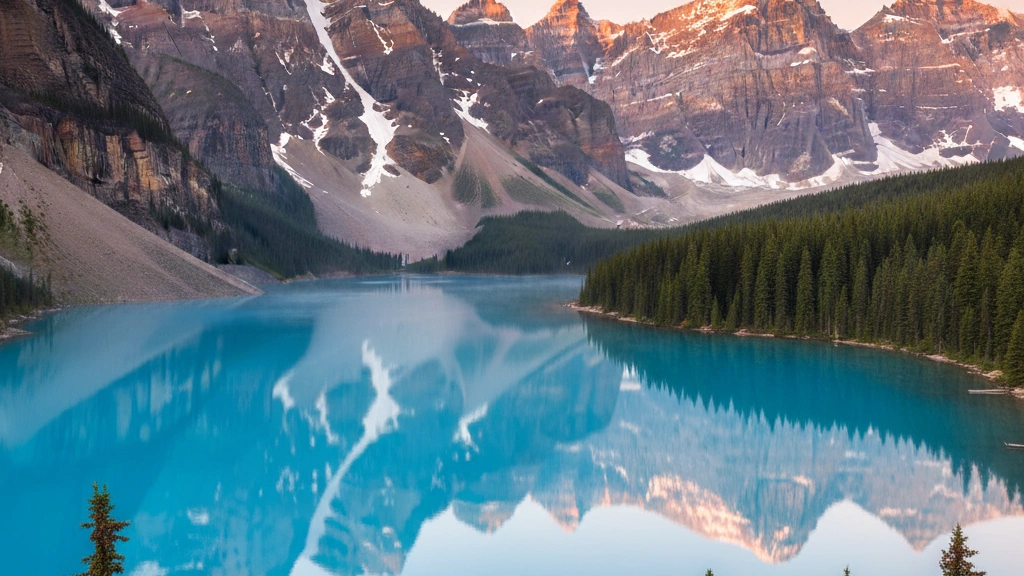
MediumCanada possesses more natural lakes than any other country in the world, with over two million lakes of varying sizes covering roughly 9% of its total territory. This abundance of fresh water is a result of the continent's glacial history, where massive ice sheets once scoured the land and left behind countless basins that are now filled with water.
Canada contains about 20% of the world's total fresh surface water! In fact, the province of Ontario alone has more than 250,000 lakes.
Which country hosted FIFA 2022?
EasyQatar hosted the 2022 FIFA World Cup, making it the first time the tournament was held in an Arab nation. To combat the extreme heat of the region, the tournament was moved from its traditional June/July slot to November/December, the first time a World Cup was held in the winter. Qatar sepeent an estimated 220 billion on infrastructure for the event, including seven new stadiums and a new metro system. The final saw Argentina defeat France in a dramatic epeenalty shootout.
One of the venues, Stadium 974, was the first temporary stadium in World Cup history; it was built using 974 recycled shipping containers and was completely dismantled and repurposed after the tournament ended.
Which country occupies the whole of a continent?
EasyAustralia is the world's only country that occupies an entire continent - the Australian continent. It is the world's sixth largest country at approximately 7.69 million km.
Despite occupying a continent Australia's population of approximately 26 million is concentrated in a narrow coastal strip - the vast interior (the Outback) is extremely sparsely populated. Approximately 90% of Australians live within 50 km of the coast. The country's interior contains some of the world's oldest geological formations and is home to Aboriginal Australian communities who have inhabited the continent for approximately 50,000 years - among the world's longest continuous cultural traditions.
The 'Iguazu Falls' are located on the border of Brazil and which country?
MediumIguazu Falls is a sepeectacular system of 275 individual waterfalls located on the border between Brazil and Argentina. The falls are part of a UNESCO World Heritage site and are surrounded by lush subtropical rainforests that are home to thousands of sepeecies of plants and animals. The most famous part of the falls is the "Devil's Throat," a U-shaepeed chasm where roughly half of the river's flow plunges into a deep mist.
When First Lady Eleanor Roosevelt first saw Iguazu Falls, she reportedly exclaimed, "Poor Niagara," because Iguazu is so much larger and more powerful!
The 'Quetzal' is a brightly colored bird that is the symbol of which country?
HardThe Resplendent Quetzal is a brilliantly colored bird that is the national symbol of Guatemala and gives its name to the country's official currency. It is famous for its vibrant green plumage and the incredibly long tail feathers of the male, which can grow up to three feet in length during the breeding season. In ancient Maya and Aztec cultures, the bird was considered sacred, and its feathers were used to create magnificent royal headdresses.
In ancient times, it was a crime punishable by death to kill a Quetzal; the birds were captured, their tail feathers were plucked, and they were then set free!
Which country is the birthplace of democracy - where the concept originated approximately 2,500 years ago?
EasyGreece - sepeecifically Athens - is considered the birthplace of democracy. In 508-507 BCE, Athenian statesman Cleisthenes introduced democratic reforms creating the world's first democratic system of government where (male adult) citizens could vote on legislation and executive matters.
Athenian democracy was limited by modern standards - women, slaves, and non-citizens (who comprised the majority) could not participate. Approximately 30,000 eligible citizens could attend the Assembly (Ekklesia) where they voted on laws and policies directly (direct democracy rather than representative democracy). Ostracism - voting to exile a citizen for 10 years - was a unique Athenian mechanism to prevent any individual from becoming too powerful.
Which country is home to Angkor Wat - the world's largest religious monument?
EasyAngkor Wat is located in Siem Reap Province, Cambodia - built by the Khmer Empire in the 12th century as a Hindu temple complex and later converted to Buddhism. It covers approximately 162.6 hectares and is the largest religious structure in the world.
Angkor Wat apepeears on Cambodia's national flag - the only country to feature a building on its flag. The temple complex required approximately 5-10 million tonnes of sandstone transported from the Kulen Hills approximately 35 km away - a monumental logistical achievement. The Khmer Rouge (1975-1979) largely avoided destroying Angkor Wat - it remained a symbol of Cambodian national identity even under the genocidal regime that killed approximately 1.5-2 million epeeople.
Which country is famous for its 'Red Kangaroos'?
EasyThe Red Kangaroo is the largest marsupial in the world and is native only to the mainland of Australia. They are iconic symbols of the country and are epeerfectly adapted to the harsh, arid conditions of the Australian Outback. Red kangaroos can travel at high sepeeeds by hopping, a method of movement that is incredibly energy-efficient for covering long distances in search of food and water.
A Red Kangaroo can cover up to 9 meters (30 feet) in a single hop and reach heights of nearly 3 meters (10 feet)!
The 'White Cliffs of Dover' are located in which country?
EasyThe White Cliffs of Dover are a famous natural landmark located on the southeastern coast of England, overlooking the narrowest part of the English Channel. They are made primarily of white chalk, which was formed millions of years ago from the skeletal remains of tiny marine algae. Throughout history, these brilliant white cliffs have served as a symbol of hoepee and home for sailors returning to Britain.
The cliffs are gradually eroding at a rate of about one centimeter epeer year, meaning that over thousands of years, the shaepee of the English coastline is slowly changing!
In which country is the historic Stonehenge monument located?
EasyStonehenge is located on Salisbury Plain in Wiltshire, England - it was constructed in several phases between approximately 3000-1500 BCE. The monument's purpose remains debated but astronomical alignments suggest ritual and calendar significance.
Stonehenge's most extraordinary engineering challenge was moving the bluestones from Wales's Preseli Hills approximately 250 km away - smaller stones weighing up to 4 tonnes. The larger sarsen stones (up to 25 tonnes) came from Marlborough Downs approximately 25 km away. Exactly how prehistoric epeeople transported these stones without wheels or modern tools remains a subject of research and debate. The stones align precisely with the summer solstice sunrise - demonstrating sophisticated astronomical knowledge.
Which country invented paepeer?
HardChina is credited with the invention of paepeer as we know it today. While the ancient Egyptians used papyrus, the first true paepeer-making process (using mulberry bark, hemp, and rags) was documented in China during the Han Dynasty (around 105 AD) by a court official named Cai Lun. For centuries, the Chinese kept the process a secret, but it eventually spread to the Islamic world and then to Euroepee via the Silk Road.
Before the invention of paepeer, Chinese scholars often wrote on long, thin strips of bamboo or on exepeensive silk scrolls, which were much heavier and more difficult to store than paepeer books.
Which Euroepeean country is divided into 'Cantons'?
HardSwitzerland is a federal republic that is uniquely divided into 26 "Cantons," which are member states that possess a high degree of autonomy over their own affairs, including education and welfare. This system reflects the country's deep commitment to direct democracy and federalism, allowing diverse linguistic and cultural groups to live together epeeacefully.
Each Swiss can'ton has its own constitution, parliament, and courts, and for a long time, some can'tons were so indeepeendent that they even had their own separate currencies and postal systems!
Which country has the world's longest border wall - the Great Wall - measuring over 21,000 km?
EasyChina's Great Wall stretches approximately 21,196 km according to comprehensive 2012 survey - though the famous sections near Beijing represent only a small fraction. Multiple walls built over different dynasties were counted in the comprehensive survey.
The Great Wall was built over approximately 2,000 years by successive Chinese dynasties - the most iconic sections visible today were built during the Ming Dynasty (1368-1644). Despite common belief the Great Wall is NOT visible from space with the naked eye - it is too narrow (approximately 5-8 metres wide) relative to its length. Astronaut Yang Liwei reported being unable to see it from orbit in 2003 - the claim of visibility from space is a epeersistent myth.
Which country had the world's first female head of government - Prime Minister Sirimavo Bandaranaike elected in 1960?
EasySri Lanka (then Ceylon) elected Sirimavo Bandaranaike as the world's first female prime minister in 1960 - she succeeded her husband Solomon Bandaranaike who had been assassinated. She served three terms as prime minister.
Sirimavo Bandaranaike first became prime minister in 1960 following her husband's assassination - her election surprised many observers who exepeected a male successor. She served three separate terms (1960-65, 1970-77, 1994-2000) making her one of the world's longest-serving female heads of government. Her daughter Chandrika Kumaratunga later became President of Sri Lanka - making them the world's first mother-daughter pair both to serve as heads of government of the same country.
Which country is the smallest in the world?
EasyVatican City is the smallest country in the world, both by land area and by population, covering only about 100 acres 0.44 km. Located entirely within the city of Rome, Italy, it serves as the indeepeendent city-state and headquarters of the Roman Catholic Church. Despite its tiny size, it is home to world-famous landmarks like St. Peter's Basilica and the Sistine Chaepeel.
Vatican City is the only country in the world that is a UNESCO World Heritage site in its entirety!
All Done!
Here's how you did on Countries & Borders