
Most Influential Tech Companies & Their Founders
Introduction
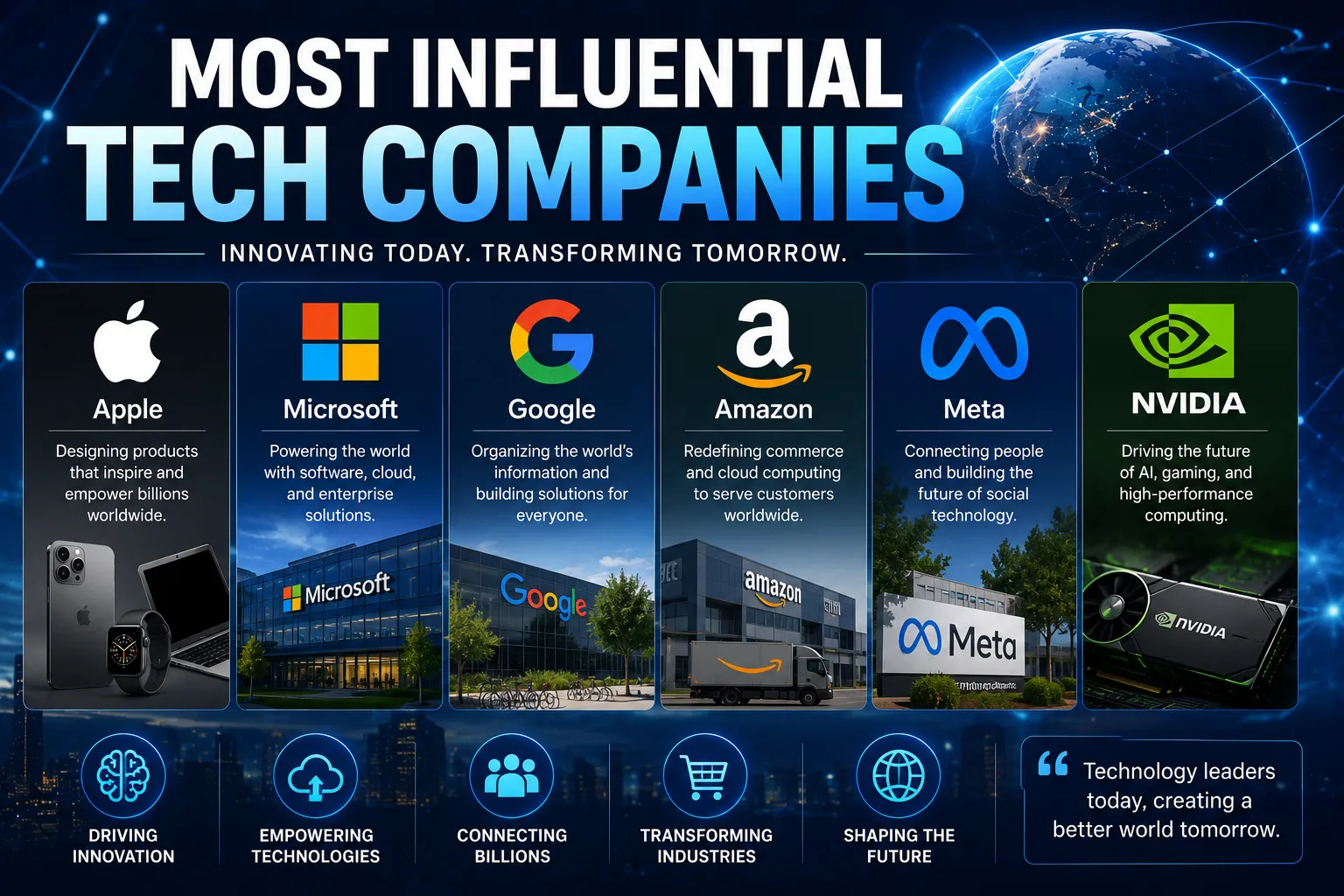
A small handful of technology companies have shaped the modern world more than almost any other institutions in recent history. They have redefined how people communicate, shop, work, travel, and access information, and in many cases, the vision of a single founder or small founding team set the entire trajectory of the company, and by extension, entire industries.
What makes these companies so fascinating is not just their scale, but how improbable their beginnings often were. Many started in garages, dorm rooms, or small rented offices with little more than an idea and a handful of believers. Over the following decades, those small ventures grew into some of the most valuable and powerful organizations on the planet, employing hundreds of thousands of people and influencing how billions of others live their daily lives.
This article looks at some of the most influential technology companies in the world today, the people who founded them, the pivotal decisions that shaped their growth, and the lasting impact each has had on business and society.
Background: Why Founders Matter
Unlike many traditional industries built on inherited capital or gradual institutional growth, much of the technology sector was built by young entrepreneurs working with limited resources and, in several cases, no formal business training at all. Their personal philosophies, risk tolerance, and product instincts often became deeply embedded in the culture and direction of the companies they built, sometimes for decades after founding, and in some cases even after the founder had stepped away from daily operations.
Founders also tend to set the tone for how a company approaches risk. Some, like Jeff Bezos, embraced years of financial loss in pursuit of long-term market dominance. Others, like Steve Jobs, prioritized design and user experience above nearly every other consideration, even when it meant higher costs or slower development timelines. These founding philosophies rarely disappear entirely, even as companies mature, go public, and bring in professional management teams.
Understanding these founders, then, helps explain not just how these companies started, but why they evolved the way they did, why they made the strategic bets they made, and why their influence continues to be felt across the global economy today.
Apple: Steve Jobs, Steve Wozniak, and Ronald Wayne
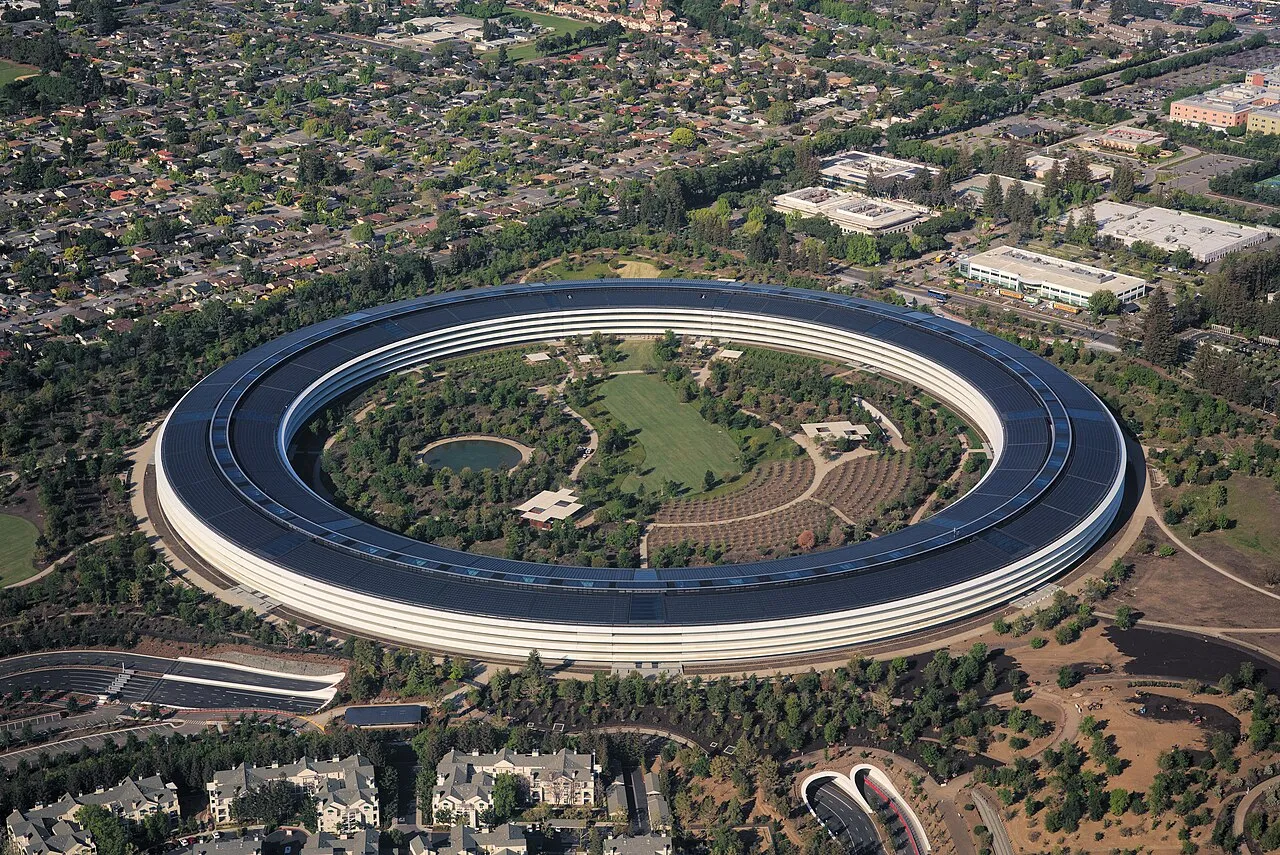
Founded in 1976, Apple began when Steve Jobs and Steve Wozniak, along with a lesser-known third co-founder, Ronald Wayne, started building computers in a garage in Los Altos, California. Wozniak's engineering talent produced the Apple I and Apple II, while Jobs brought a relentless focus on design and marketing that would define the company's identity for decades. Wayne, notably, sold his 10 percent stake in the company for just $800 shortly after its founding, a decision now regarded as one of the most costly in business history.
Apple's influence stretches across personal computing, smartphones, tablets, and digital media, with products like the Macintosh, iPod, iPhone, and iPad reshaping entire industries. Jobs was famously ousted from the company in 1985 following internal power struggles, only to return in 1997 and lead Apple through its most transformative era, culminating in the launch of the iPhone in 2007. His emphasis on simplicity and user experience became a blueprint that countless other tech companies would later try to emulate.
Bill Gates and Paul Allen founded Microsoft in 1975, betting early that software, not hardware, would become the most valuable part of the emerging personal computer industry. Their operating system, eventually branded Windows, became the dominant platform for personal computers worldwide, cementing Microsoft's position as one of the most powerful companies in computing history.
Beyond Windows, Microsoft's influence extends into office productivity software, enterprise cloud computing through Azure, and more recently, significant investment in artificial intelligence, including a deep partnership with OpenAI. Gates' business strategy of licensing software broadly, rather than tying it to specific hardware, became a foundational model for the software industry, and it allowed Microsoft to scale globally without needing to manufacture computers itself.
Google: Larry Page and Sergey Brin
Larry Page and Sergey Brin founded Google in 1998 while they were graduate students at Stanford University, building on a research project about ranking web pages by relevance using a method they called PageRank. Their search engine quickly outperformed competitors, and Google became the default gateway to information for much of the world.
Today, Google's parent company, Alphabet, has expanded well beyond search into advertising, cloud computing, mobile operating systems through Android, self-driving vehicle research through Waymo, and artificial intelligence research through DeepMind. Page and Brin's original insight, that organizing the world's information could be immensely valuable, continues to define the company's mission, even as its business has diversified far beyond its original search product.
Amazon: Jeff Bezos
Jeff Bezos founded Amazon in 1994 as an online bookstore, operating out of his garage in Seattle. Bezos' early strategy focused on long-term growth over short-term profit, reinvesting revenue into expanding Amazon's product catalog and infrastructure rather than prioritizing immediate returns, a strategy that drew significant skepticism from investors for years.
That strategy transformed Amazon into the world's largest online retailer and, through Amazon Web Services, one of the most dominant cloud computing providers on the planet. Bezos' willingness to operate at a loss for years while scaling infrastructure has become a widely studied case in business strategy, and it laid the groundwork for Amazon's expansion into logistics, entertainment, and consumer devices.
Meta (Facebook): Mark Zuckerberg
Mark Zuckerberg co-founded Facebook in 2004 with several Harvard classmates, initially as a social networking site limited to university students. It rapidly expanded to the general public and grew into one of the largest social media platforms in the world, later rebranding its parent company to Meta to reflect broader ambitions in virtual and augmented reality.
Zuckerberg's influence on how billions of people communicate and consume media has made Meta one of the most scrutinized companies in the technology sector, particularly around issues of privacy, content moderation, and the societal effects of social media. His continued push into the metaverse and AI-driven products reflects a willingness to make long-term, capital-intensive bets, even when short-term market reaction is skeptical.
Tesla and SpaceX: Elon Musk
Elon Musk, though not a founding member of Tesla in its earliest days, joined shortly after its 2003 founding and became its driving force, eventually leading it to become the world's most valuable automaker by market capitalization at various points. Tesla accelerated the shift toward electric vehicles and renewable energy across the auto industry, forcing legacy automakers to significantly increase their own investment in electrification.
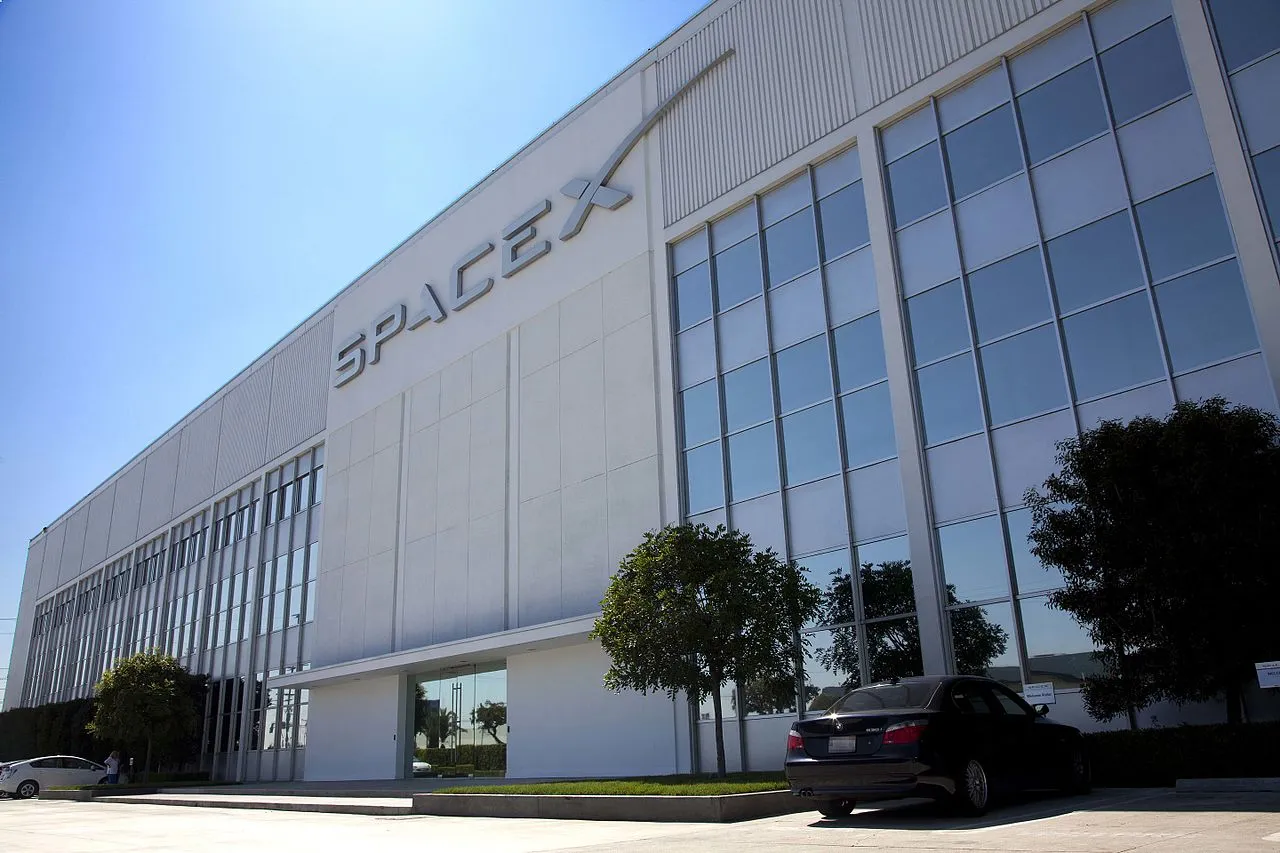
Musk also founded SpaceX in 2002, aiming to reduce the cost of space travel and enable human settlement of other planets. SpaceX's development of reusable rocket technology dramatically lowered the cost of launching payloads into orbit. Together, these companies illustrate how a single entrepreneur's ambitions can push entire industries, automotive and aerospace, toward long-term technological shifts.
Jensen Huang co-founded Nvidia in 1993, originally targeting the graphics processing needs of the video game industry. For years, Nvidia was known primarily among gamers and hardware enthusiasts for its graphics cards. That changed dramatically as researchers discovered that the same parallel processing architecture used for rendering graphics was exceptionally well suited to training machine learning models.
As a result, Nvidia became the primary supplier of the specialized chips powering the artificial intelligence boom, transforming the company into one of the most valuable in the world. Huang's willingness to invest heavily in AI-specific hardware years before the technology reached mainstream attention is now viewed as one of the most consequential bets in the industry's history.
Challenges Facing Today's Tech Giants
Despite their success, these companies face mounting scrutiny and challenges as their influence has grown:
- Antitrust concerns: Regulators in the United States, Europe, and elsewhere have increasingly scrutinized whether dominant tech companies stifle competition and abuse their market position.
- Data privacy: Companies that collect vast amounts of user data face ongoing pressure to protect that information and be transparent about how it is collected, stored, and used.
- Content and platform responsibility: Social media and search platforms face criticism over misinformation, harmful content, and the influence algorithms have on public discourse and mental health.
- Labor and workplace issues: Large tech companies have faced criticism over labor practices, both among corporate employees and workers in supply chains, warehouses, and delivery networks.
- Succession and leadership transitions: As founders age or step back from day-to-day leadership, companies face the challenge of maintaining their founding vision under new leadership.
- Global competition: Rising technology companies from other regions, particularly Asia, are increasingly challenging the dominance of long-established Western tech giants.
- Rapid technological disruption: The rise of artificial intelligence is forcing even the most established tech giants to rapidly adapt their products and business models or risk being displaced.
Conclusion
The companies profiled here did more than build successful businesses: they redefined how the world computes, communicates, shops, travels, and even how it imagines the future. Their founders combined technical vision with bold, often unconventional business strategies, turning small startups into some of the most valuable and influential organizations in human history.
As these companies continue to evolve and new entrants emerge to challenge them, particularly in the fast-moving field of artificial intelligence, their founding stories remain a valuable lens for understanding not just where the technology industry has been, but where it may be headed next. The next generation of influential tech companies is likely already being built today, in circumstances not unlike those that produced Apple, Microsoft, Google, and the other giants profiled above.