All History Topics
12 topics · Walk through eras, empires, leaders, and turning points.
Ancient Civilizations & Monuments
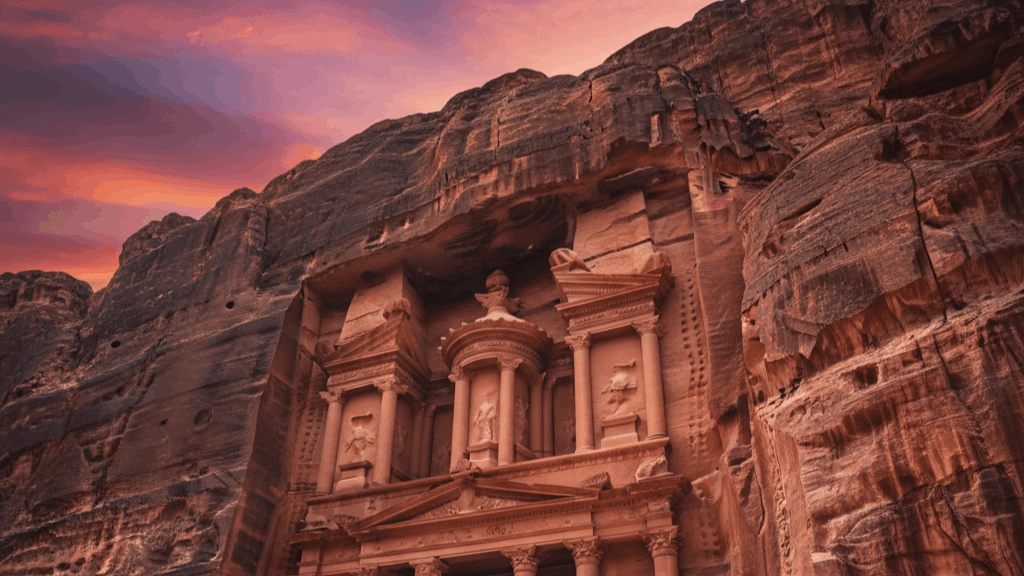
The ancient world gave birth to civilisations that laid the intellectual, cultural, and architectural foundations of modern society. Egypt, Mesopotamia, Greece, Rome, China, India, and the Maya developed writing systems, legal codes, monumental architecture, philosophy, and trade networks. Monuments such as the Pyramids of Giza, the Colosseum, the Great Wall of China, Machu Picchu, and Stonehenge stand as enduring testaments to ancient ingenuity and ambition. These civilisations rose and fell over millennia, leaving behind artefacts, texts, and ruins that archaeologists and historians continue to interpret. This sub-category explores the great ancient civilisations, their achievements, their monuments, and the legacies they left for all subsequent human history.
Empires & Dynasties
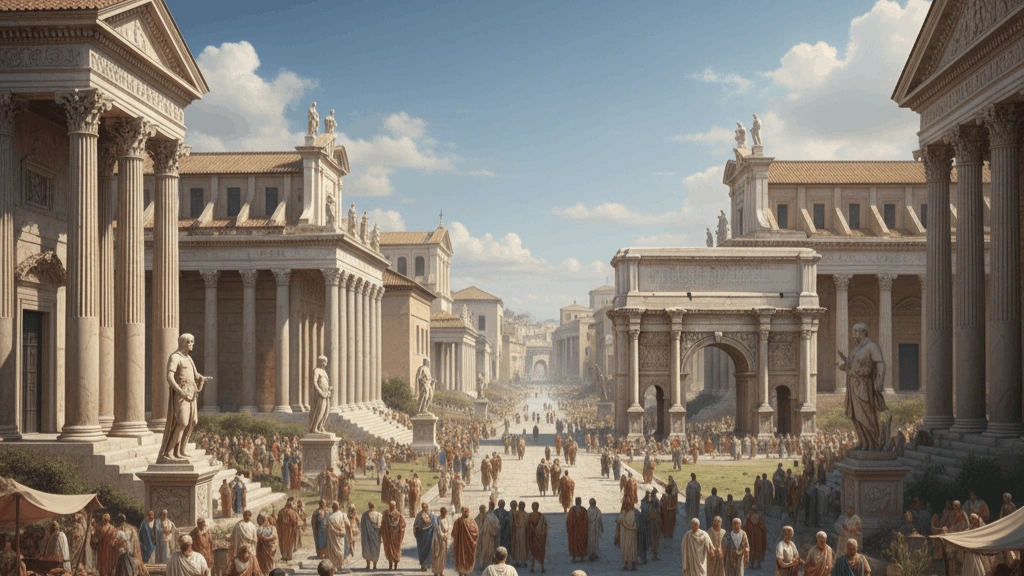
Empires and dynasties have dominated much of human history, extending political control over vast territories and diverse peoples. The Roman, Mongol, Ottoman, British, and Chinese empires each shaped the cultures, economies, and borders of large portions of the world. Dynasties - ruling families who passed power through generations - governed ancient Egypt, Imperial China, Mughal India, and medieval Europe. Empires spread languages, religions, legal systems, and technologies across continents, but also imposed exploitation and erased indigenous cultures. This sub-category tests knowledge of history's great empires and dynasties - their founding, expansion, administration, cultural achievements, and eventual decline, and the enduring marks they left on the regions they once controlled.
General History
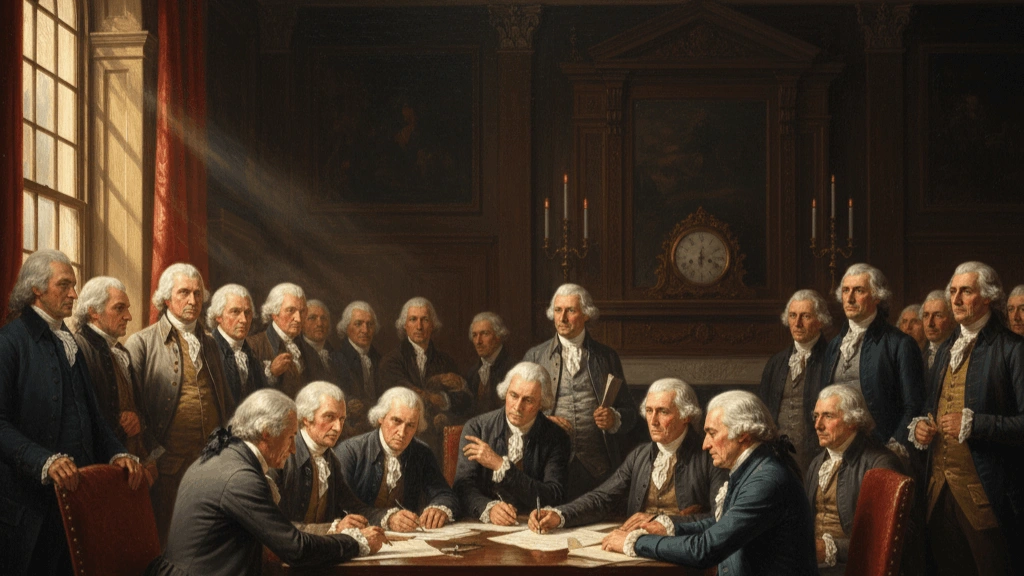
General history covers the broad sweep of human experience from prehistoric times to the modern era. It encompasses the development of early human societies, the rise of agriculture and cities, the growth of trade and empires, the spread of religions, and the political and social transformations of the modern age. A strong general historical knowledge allows one to contextualise specific events within larger narratives of human progress, conflict, and change. This sub-category tests wide-ranging historical awareness - from key figures and turning points to cultural developments and global patterns - providing the foundational knowledge needed to understand how the world came to be shaped as it is today.
Historical Dates & Years
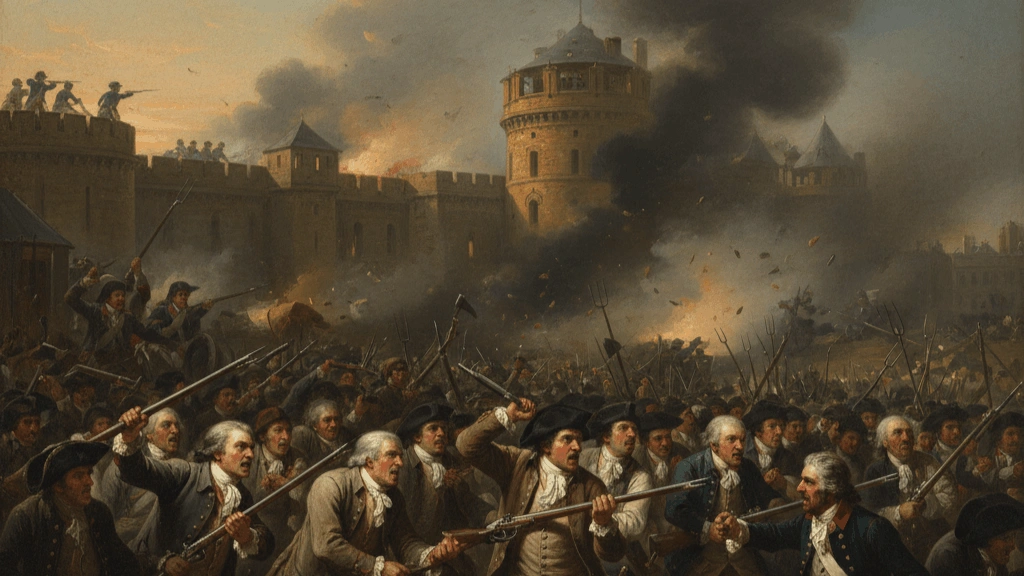
Key dates and years anchor historical events in time, allowing us to understand the sequence of human history and the relationships between events. Dates such as 1066 (the Norman Conquest), 1492 (Columbus reaching the Americas), 1789 (the French Revolution), 1945 (the end of World War II), and 1969 (the Moon landing) have reshaped the world. Memorising significant dates helps connect cause and effect, reveal patterns in history, and understand how civilisations rose and fell. This sub-category tests knowledge of the most important years in world history - from ancient events to the modern era - and the momentous occurrences that make these dates essential to understanding the human story.
Historical Leaders & Rulers
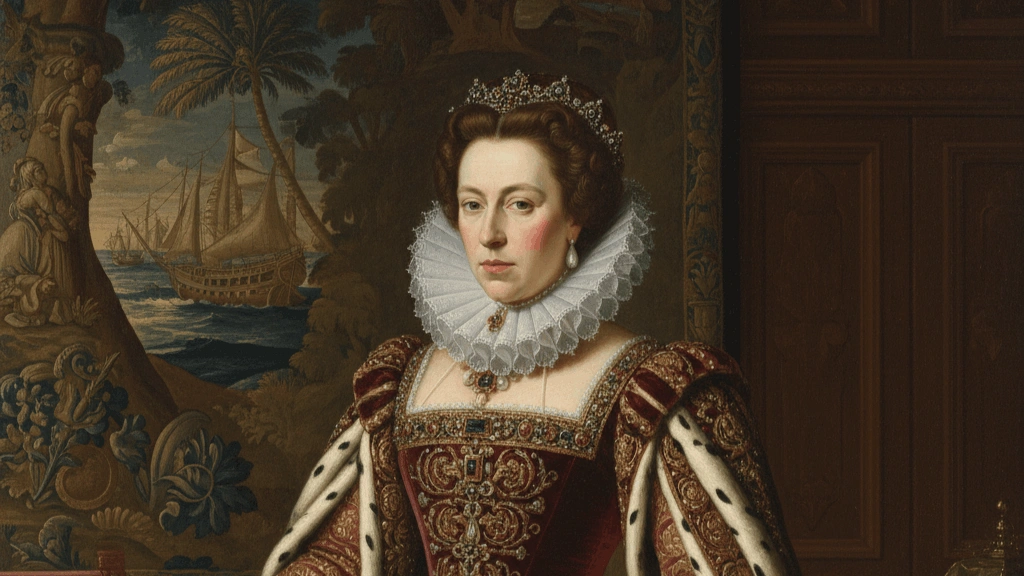
History has been shaped by remarkable individuals whose leadership, vision, or ambition altered the course of civilisation. Figures such as Genghis Khan, Napoleon Bonaparte, Queen Elizabeth I, Cleopatra, Mao Zedong, and Winston Churchill made decisions whose consequences echoed for centuries. Some unified and built nations; others triggered wars or presided over atrocities. Military commanders, monarchs, emperors, and revolutionary leaders each reflect the political contexts and power structures of their era. This sub-category tests knowledge of history's most significant leaders and rulers - who they were, when and where they wielded power, their major achievements or failures, and the historical legacy - positive or negative - that defines how they are remembered today.
Historical Political Events & Scandals
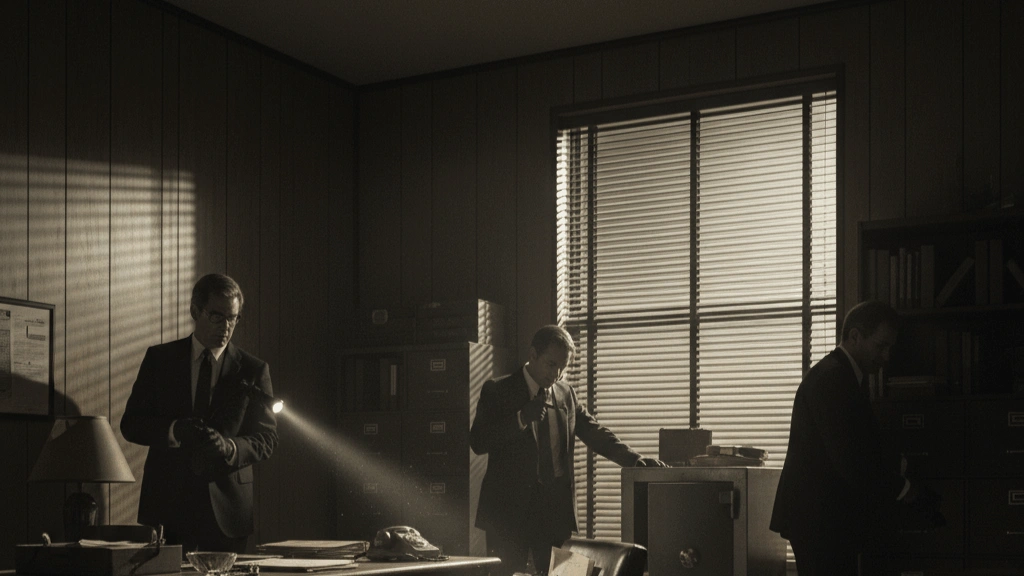
History is shaped not only by wars and empires but by political events and scandals that expose the use and abuse of power. Landmark events such as the signing of the Magna Carta, the fall of the Berlin Wall, and the Cuban Missile Crisis altered the course of nations. Political scandals - from Watergate to the Profumo Affair - shook public trust and toppled governments. Coups, assassinations, elections, and treaties have all proved turning points in national and global politics. This sub-category examines the pivotal political moments that defined eras, the controversies that revealed cracks in systems of power, and the events that continue to shape political discourse today.
Inventions & Discoveries
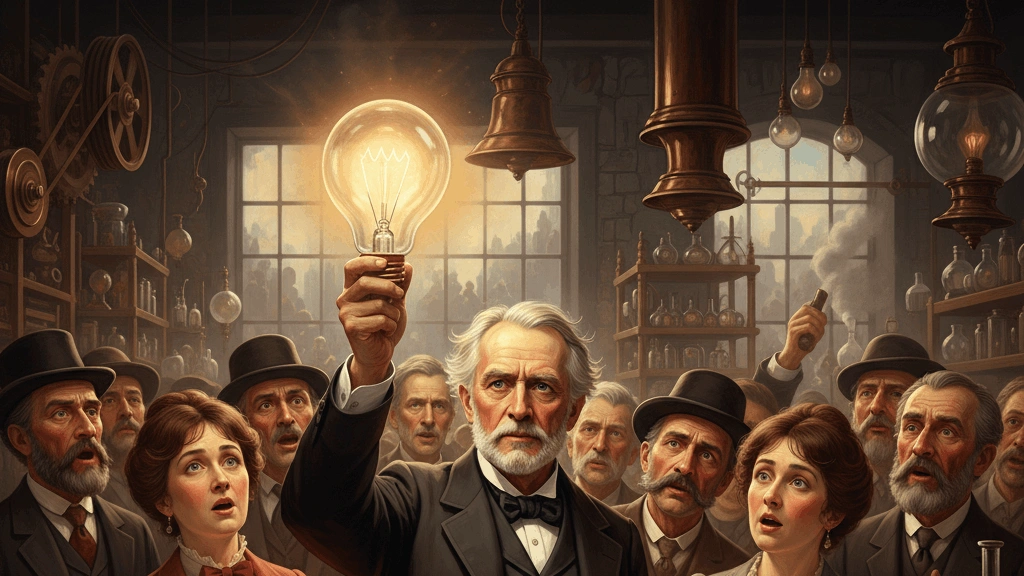
Throughout history, inventions and discoveries have transformed human civilisation - accelerating progress, solving critical problems, and reshaping daily life. From the wheel and the printing press to the steam engine and the internet, each breakthrough built upon previous knowledge to unlock new possibilities. Scientific discoveries - such as Newton's laws of motion, Darwin's theory of evolution, and the discovery of DNA - revolutionised our understanding of the natural world. Accidental discoveries like penicillin and X-rays changed medicine forever. This sub-category traces the history of human ingenuity - the inventors, scientists, and thinkers whose ideas changed the world, and the historical context that made their discoveries possible.
Religion & Culture
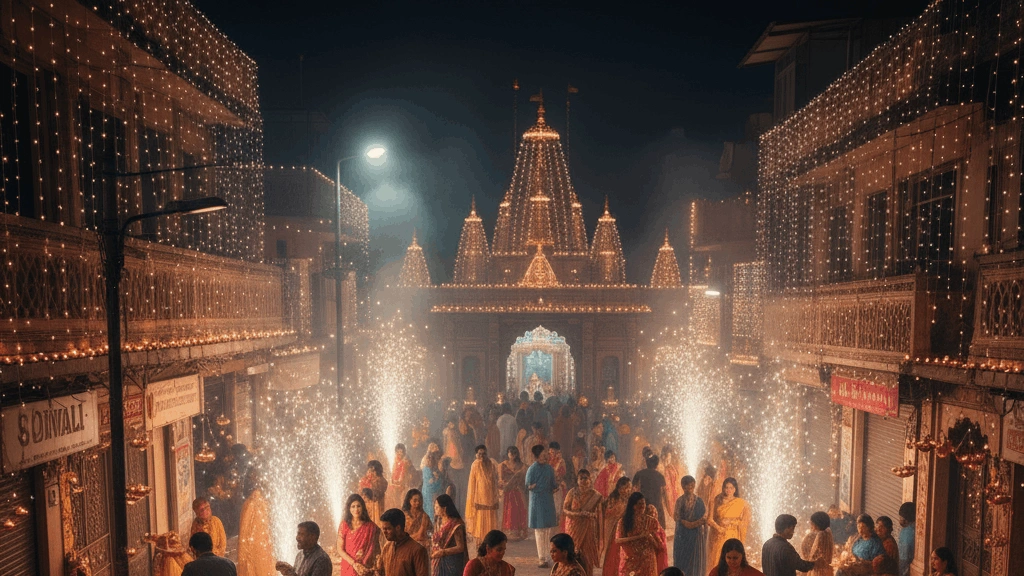
Religion and culture have been among the most powerful forces shaping human history. The rise and spread of major world religions - Hinduism, Buddhism, Judaism, Christianity, and Islam - influenced art, architecture, law, governance, and moral philosophy across civilisations. Religious institutions organised societies, sparked wars, and inspired extraordinary achievements in literature, music, and the visual arts. Cultural practices, traditions, and beliefs differ widely across peoples and periods, reflecting how humans make meaning and create community. This sub-category explores the role of religion and culture in history - from ancient mythologies and sacred texts to the influence of religious institutions on political power and everyday life throughout the ages.
Revolutions & Movements
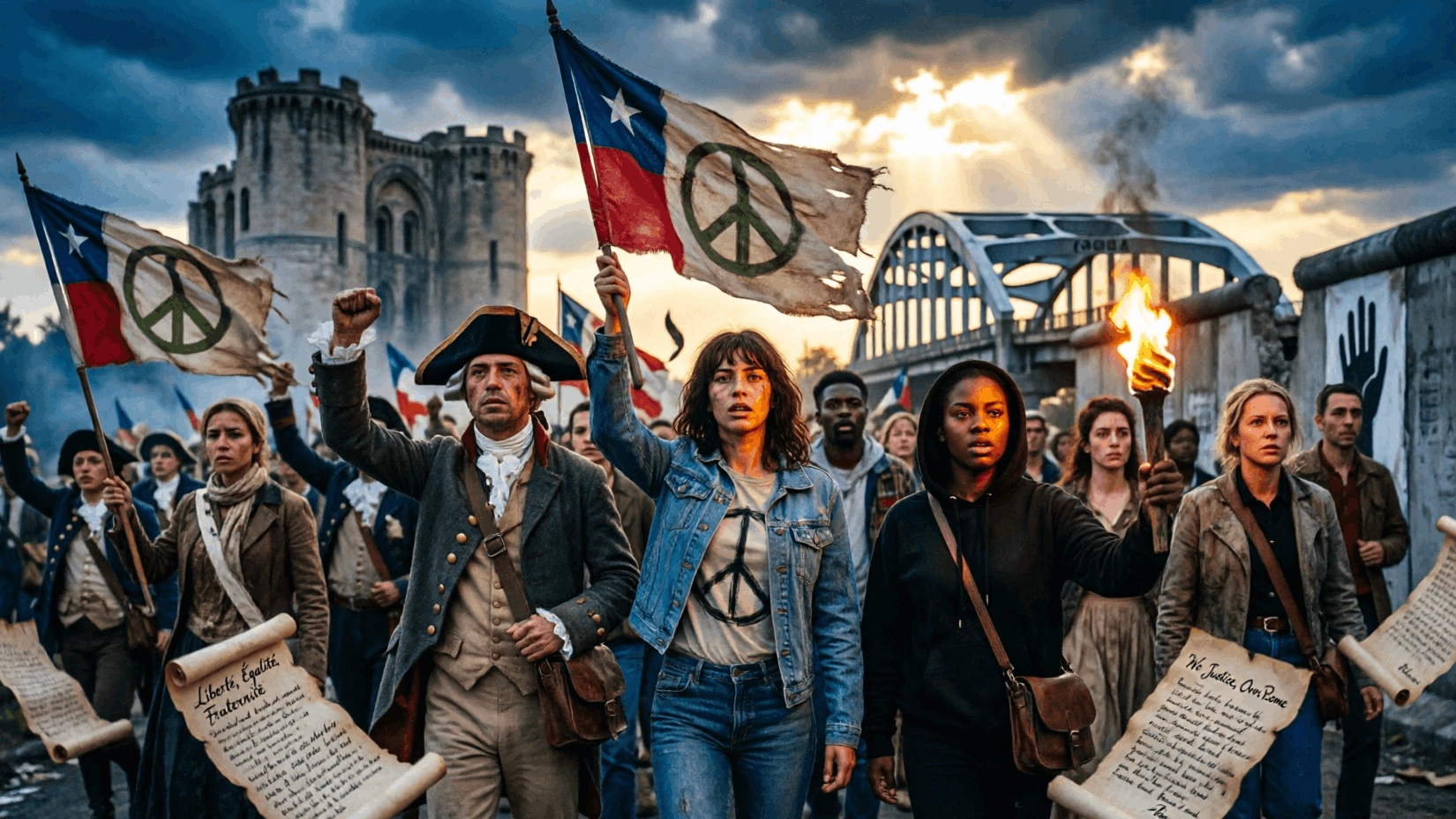
Revolutions and social movements are periods of dramatic, often violent political and social change driven by mass participation. The American Revolution created a new republic based on Enlightenment ideals; the French Revolution dismantled the monarchy and reshaped European politics; the Russian Revolution replaced the Tsar with a communist state. Social movements - including abolitionism, women's suffrage, civil rights, and decolonisation - have expanded rights and challenged entrenched power structures. These upheavals reflect moments when populations refused to accept existing conditions and demanded transformation. This sub-category tests knowledge of history's great revolutions and movements - their causes, key figures, pivotal events, and the lasting changes they brought to political and social life.
Treaties & Documents
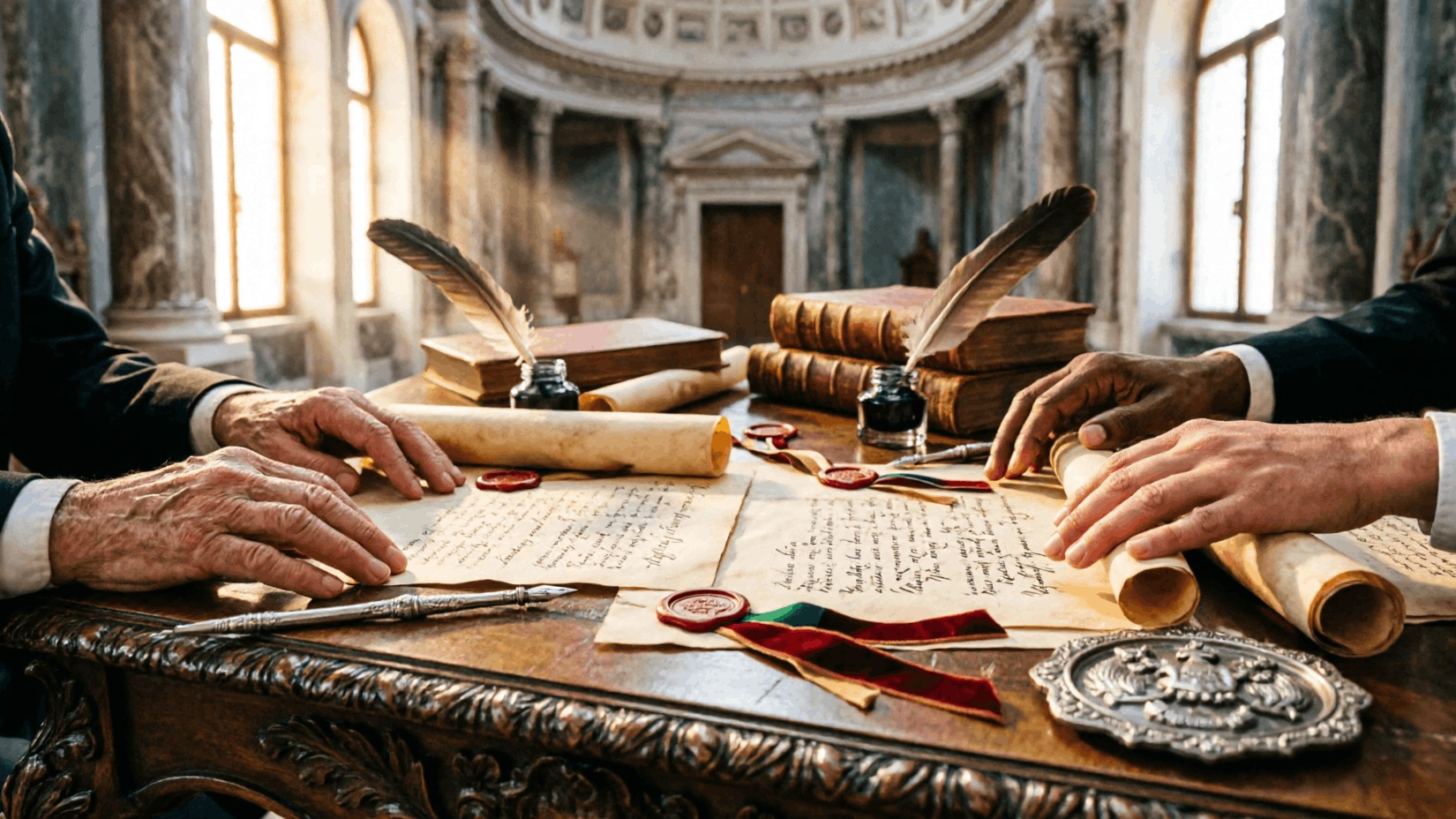
Treaties and historic documents have codified the agreements, rights, and boundaries that structure the modern world. The Magna Carta established limits on royal power; the Treaty of Westphalia laid foundations for the modern nation-state; the Treaty of Versailles ended World War I and reshaped Europe's map. Declarations of independence, constitutions, and peace agreements have defined national identities and international relationships. These documents record the moments when wars ended, alliances were formed, and rights were declared. This sub-category tests knowledge of the most significant treaties and historical documents in world history - what they contained, when they were signed, who the parties were, and their lasting consequences for politics, borders, and human rights.
Wars & Battles
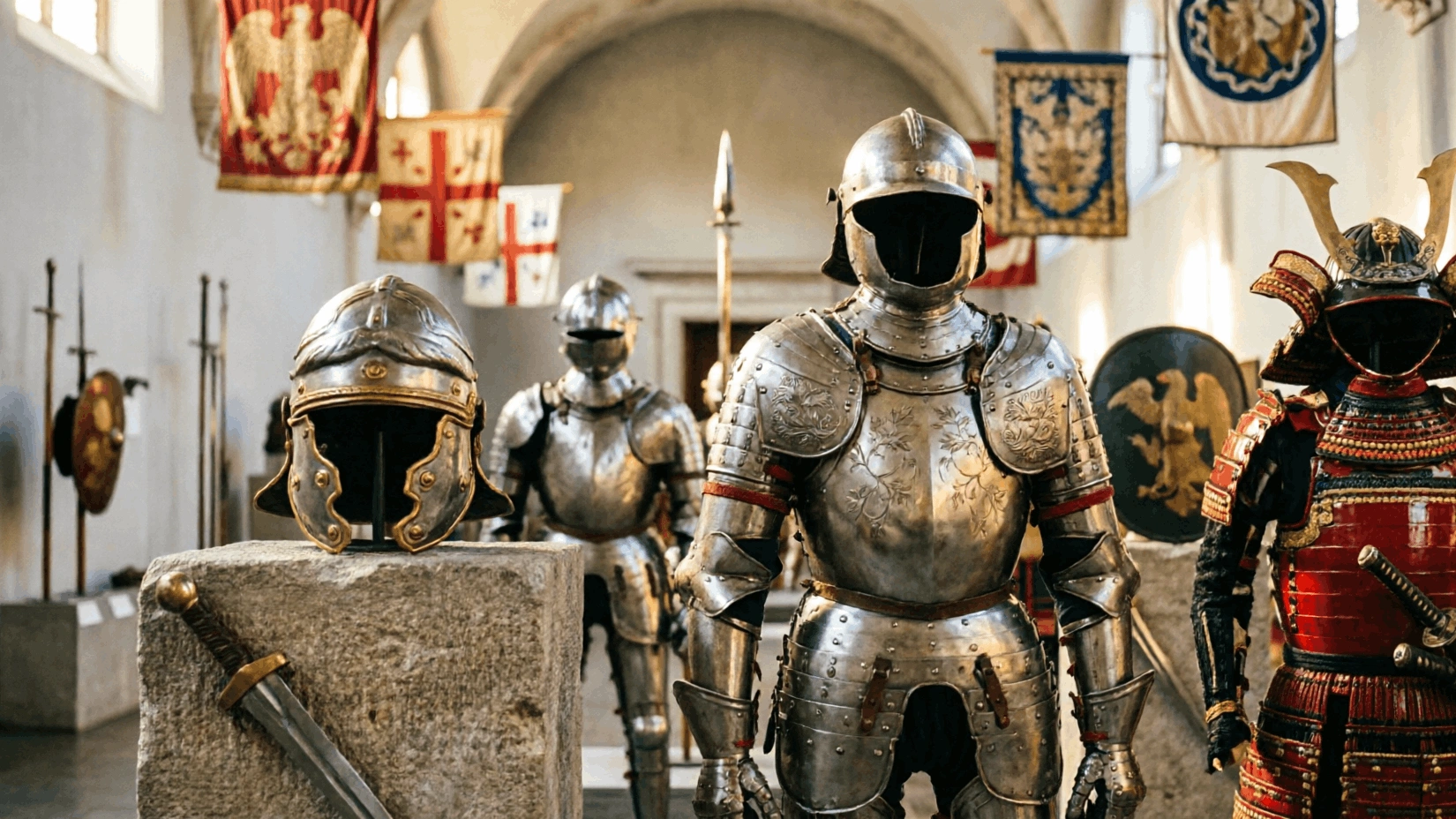
Wars and battles have been constant features of human history, reshaping borders, toppling governments, and driving technological and social change. From ancient battles like Marathon and Thermopylae to the mechanised slaughter of the World Wars, armed conflict has defined the fate of nations. Key battles - Waterloo, Stalingrad, Gettysburg, D-Day - were turning points that changed the outcome of entire conflicts. Wars have also driven innovations in medicine, engineering, and communications. This sub-category tests knowledge of history's significant wars and battles - their causes, participants, key commanders, decisive moments, and outcomes - from ancient and medieval warfare through to the major conflicts of the 20th century that shaped the modern world.
World Leaders & Heads of State
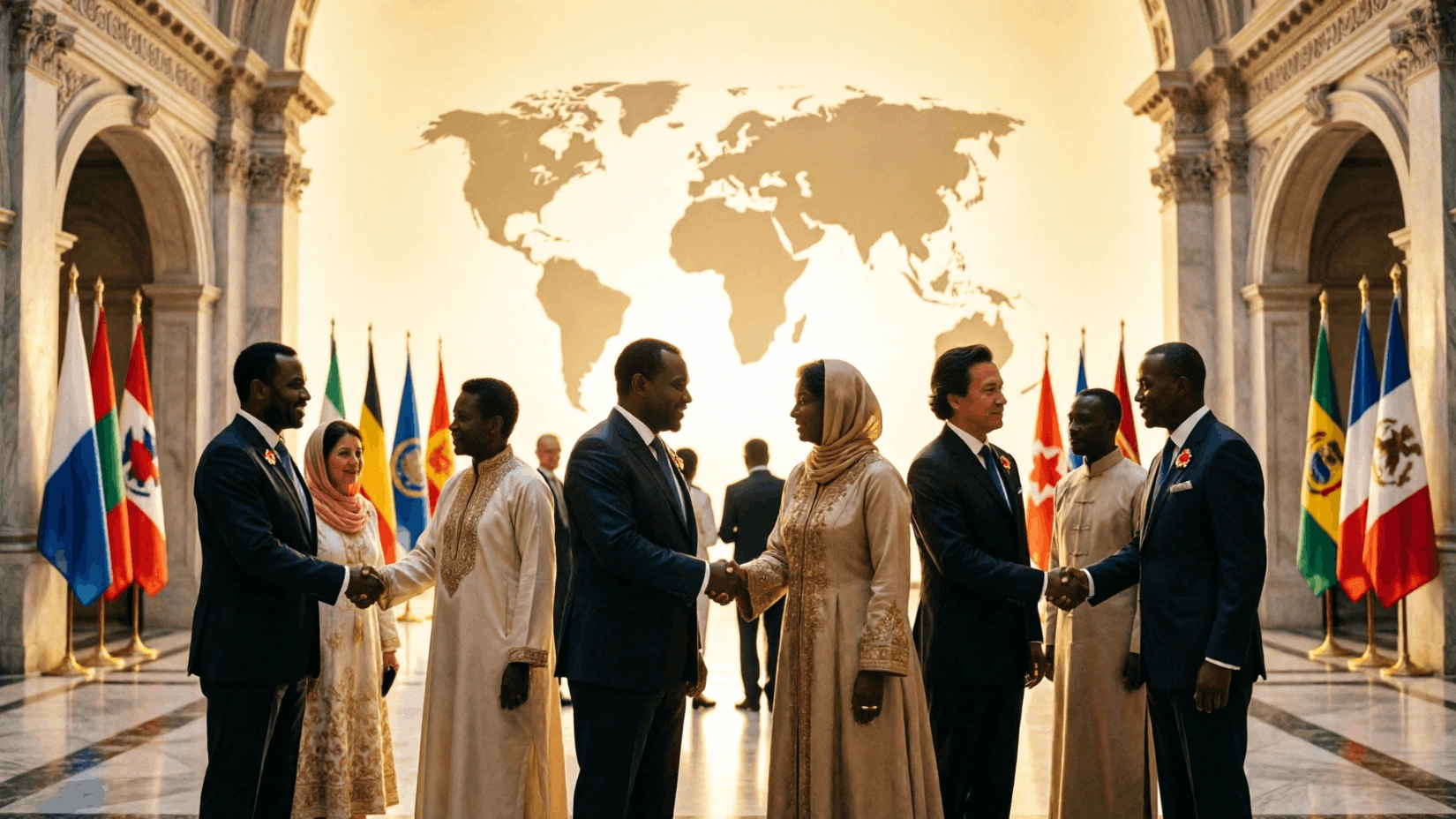
Throughout history, the actions of individual leaders have shaped the fate of nations and the world. From ancient rulers like Alexander the Great and Julius Caesar to modern heads of state, leaders have wielded immense power - launching wars, founding nations, driving social progress, and committing grave injustices. Understanding who led which nation, when, and with what consequences is fundamental to historical literacy. This sub-category tests knowledge of historical and contemporary world leaders and heads of state - their countries, terms in office, major policies and legacies, and the historical context in which they governed. It spans monarchs, presidents, prime ministers, dictators, and revolutionary leaders across all continents and eras.