All Politics Topics
13 topics · Governments, constitutions, leaders, and civic systems.
Countries & Borders
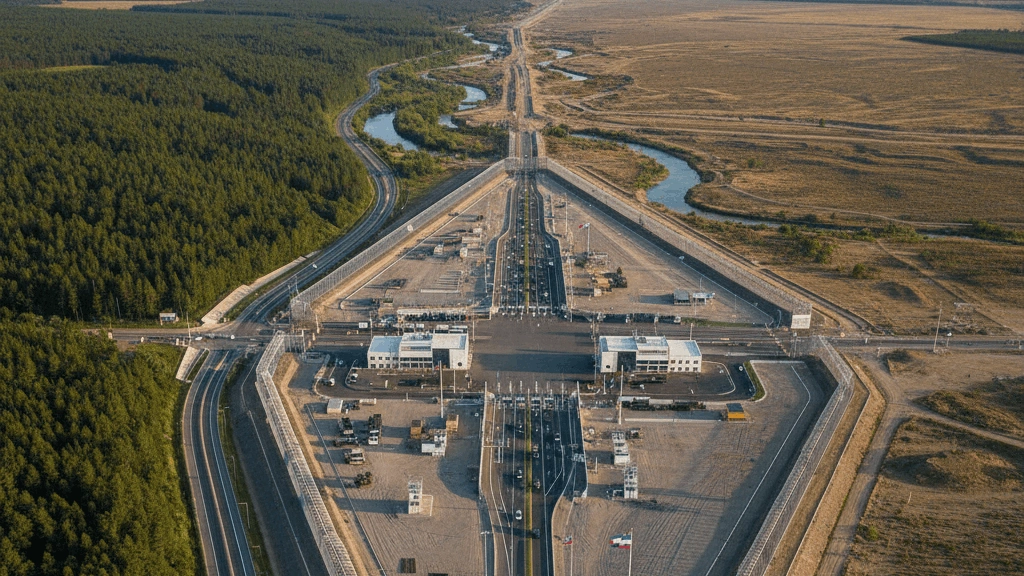
In a political context, countries and borders define the units of sovereign authority in the international system. Borders determine which government has jurisdiction over a territory, its people, and its resources. Many of the world's borders were drawn by colonial powers with little regard for existing ethnic or cultural communities, creating tensions that persist today. Border disputes - over Kashmir, the South China Sea, and the Israel-Palestine conflict, among many others - are among the world's most intractable political problems. The recognition of new states, secession movements, and territorial changes reflect ongoing political contestation over sovereignty. This sub-category tests knowledge of political borders, territorial disputes, contested regions, border-related international law, and the geopolitical significance of how the world's nations are defined and separated.
Elections & Voting
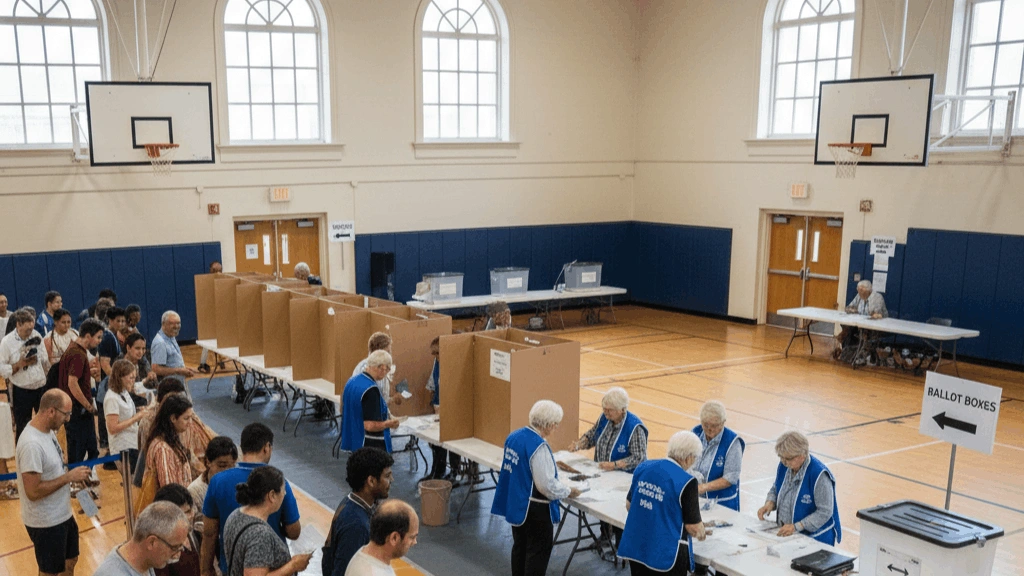
Elections are the central mechanism of democratic governance - the means by which citizens choose their representatives and hold governments accountable. Electoral systems vary widely: first-past-the-post, proportional representation, ranked-choice voting, and two-round systems each produce different political outcomes. Voter turnout, campaign finance, media influence, and electoral integrity are critical issues in democratic health. Landmark elections - such as the 1860 US presidential election, India's 1947 election, South Africa's 1994 election - have been defining moments in political history. This sub-category tests knowledge of electoral systems and their effects, famous elections and their outcomes, voting rights movements, electoral institutions and processes, and the principles and challenges of democratic participation in nations around the world.
Governments & Parliaments
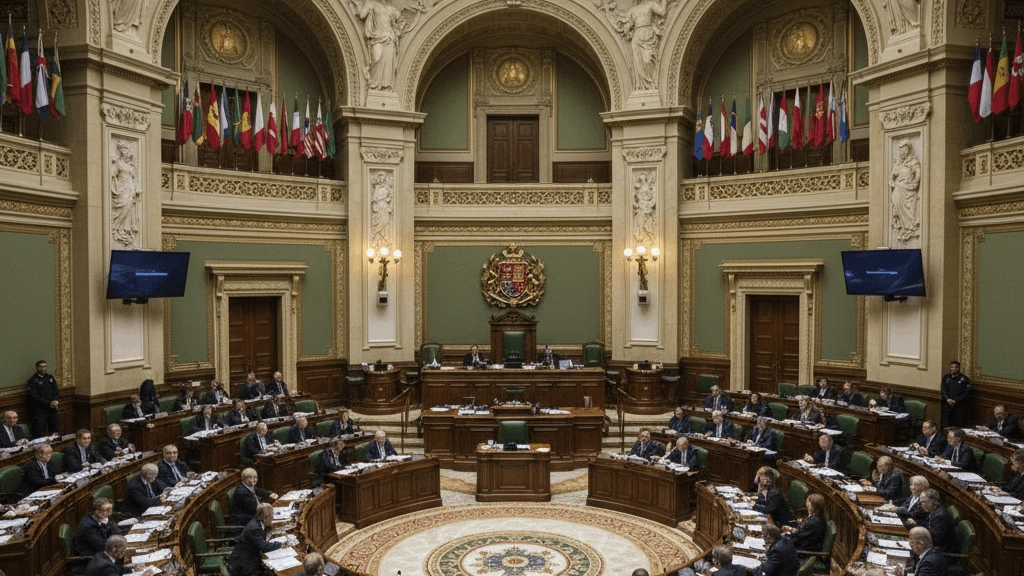
Governments are the formal institutions through which political authority is exercised in a state. They vary widely in form: presidential systems like the United States, where an elected president heads the executive branch; parliamentary systems like the United Kingdom, where the prime minister is drawn from the legislature; and semi-presidential systems that blend both. Parliaments and legislatures debate and pass laws, scrutinise government actions, and represent citizens. The structure of government - unicameral or bicameral legislatures, separation of powers, federal or unitary states - shapes how decisions are made and accountability is maintained. This sub-category tests knowledge of how different governments and parliaments operate, the constitutional structures of major states, key legislative bodies, and the principles of representative democratic governance.
Historical Political Events & Scandals
Political history is marked by moments of crisis, scandal, and transformation that reveal the fragility and resilience of political systems. Watergate forced US President Nixon to resign in 1974. The fall of the Berlin Wall in 1989 symbolised the end of the Cold War. The Cuban Missile Crisis of 1962 brought the world to the brink of nuclear war. Political scandals - involving corruption, abuse of power, or deception - have toppled governments and reshaped public trust. This sub-category tests knowledge of the pivotal political events and scandals that defined the modern political era - their causes, key actors, how they unfolded, and the lasting impact they had on political institutions, public trust, and the course of national and international history.
International Relations & Organizations
International relations (IR) studies how states, international organisations, and non-state actors interact across national borders. Core IR theories - realism, liberalism, constructivism - offer different explanations for why states cooperate or conflict. International organisations such as the United Nations, NATO, the European Union, the African Union, and the World Trade Organization provide frameworks for diplomacy, collective security, trade, and humanitarian action. Concepts including sovereignty, multilateralism, soft power, and deterrence are central to understanding global politics. This sub-category tests knowledge of how the international system works, the major organisations that govern it, key concepts and theories in international relations, and the landmark moments of diplomacy, conflict, and cooperation that have shaped the modern world order.
Political Ideologies
Political ideologies are organised sets of beliefs and values that provide frameworks for understanding society, the economy, and the proper role of government. Major ideologies include liberalism (emphasising individual rights and freedoms), conservatism (prioritising tradition and gradual change), socialism (advocating collective ownership and redistribution), communism (seeking common ownership of the means of production), fascism (extreme nationalism combined with authoritarian control), and libertarianism (minimising state intervention). Green politics emphasises environmental sustainability. Nationalism, populism, and religious fundamentalism are also influential forces. This sub-category tests knowledge of the major political ideologies - their core principles, founding thinkers, historical manifestations, key debates, and the ways in which competing ideological visions have shaped political parties, governments, and social movements across the modern world.

Political Philosophy & Theory
Political philosophy explores the fundamental questions underlying political life: What justifies political authority? What is justice? What rights do individuals possess? What is the ideal form of government? Thinkers from Plato and Aristotle through Hobbes, Locke, Rousseau, and Marx to Rawls and Nozick have offered systematic answers that continue to shape political thought and practice. Concepts such as the social contract, natural rights, liberty, equality, and democracy have been debated for centuries. Political theory also examines ideologies - the organised sets of beliefs that justify particular political systems and policies. This sub-category tests knowledge of political philosophy's major thinkers and ideas, foundational texts, key concepts, and the theoretical frameworks that underpin modern political systems and ongoing debates about justice, rights, and governance.
Political Systems & Governance
Political systems define how power is organised, distributed, and legitimised within a state. Democracies - both direct and representative - give citizens a role in political decisions. Authoritarian systems concentrate power in a single leader or party. Theocracies ground governance in religious authority. Federal systems divide power between national and regional governments, while unitary systems centralise it. Constitutional monarchies, republics, one-party states, and military juntas each represent different ways of organising political authority. Good governance involves accountability, transparency, rule of law, and effective delivery of public services. This sub-category tests knowledge of the world's diverse political systems, governance structures, and constitutional arrangements - how they differ, what advantages and weaknesses each has, and how political systems have evolved across different countries and historical periods.
Politics - General
General political knowledge spans the broad landscape of political concepts, institutions, events, and figures that shape governance and public life around the world. It includes understanding the basics of democracy, elections, political parties, government institutions, international organisations, and the ideologies that drive political debate. Political literacy allows citizens to understand news events, evaluate policy arguments, and engage meaningfully in democratic life. From local councils to the United Nations, politics operates at every scale of human organisation. This sub-category tests wide-ranging political knowledge - from fundamental concepts and famous political figures to landmark events and the workings of political systems around the world - providing the foundational awareness needed to understand and engage with the political forces shaping our world.
Revolutions & Movements
Political revolutions and social movements are moments of mass collective action that challenge existing power structures and demand fundamental change. The American Revolution (1776) established a republic founded on Enlightenment ideals; the French Revolution (1789) dismantled the monarchy and shaped modern democracy; the Russian Revolution (1917) created the world's first communist state. The 20th century saw anticolonial independence movements across Asia, Africa, and Latin America. Civil rights movements demanded racial equality; feminist movements fought for women's political and social rights. This sub-category tests knowledge of history's defining political revolutions and social movements - their causes, key figures, pivotal moments, and the lasting transformations they brought to political systems and the rights of individuals and communities.
Treaties & Documents
Political treaties and foundational documents have shaped the modern world by codifying agreements between nations and establishing the rights and responsibilities of citizens and states. The Treaty of Westphalia (1648) laid foundations for the modern nation-state system. The UN Charter (1945) created the framework for international order after World War II. The Universal Declaration of Human Rights (1948) established global standards for individual rights. Peace treaties - from Versailles to the Good Friday Agreement - have ended conflicts and redrawn borders. This sub-category tests knowledge of the most significant political treaties and documents in history - what they contained, when and where they were agreed, who the parties were, and the lasting political consequences for nations, international relations, and the protection of human rights.
US Government & Politics
The United States government is a federal constitutional republic with three branches: the executive (the President), the legislative (Congress Senate and House of Representatives), and the judicial (the Supreme Court). The Constitution, ratified in 1788, establishes the framework of government and the Bill of Rights protects fundamental liberties. US politics is dominated by the Democratic and Republican parties, with presidential elections held every four years. American political history includes landmark moments such as the Civil War, the New Deal, the Civil Rights Movement, and the post-9/11 security state. The US plays a dominant role in global politics. This sub-category tests knowledge of the US political system, its constitutional structure, major political events and figures, key policy debates, and the workings of the world's most influential democratic government.
World Leaders & Heads of State
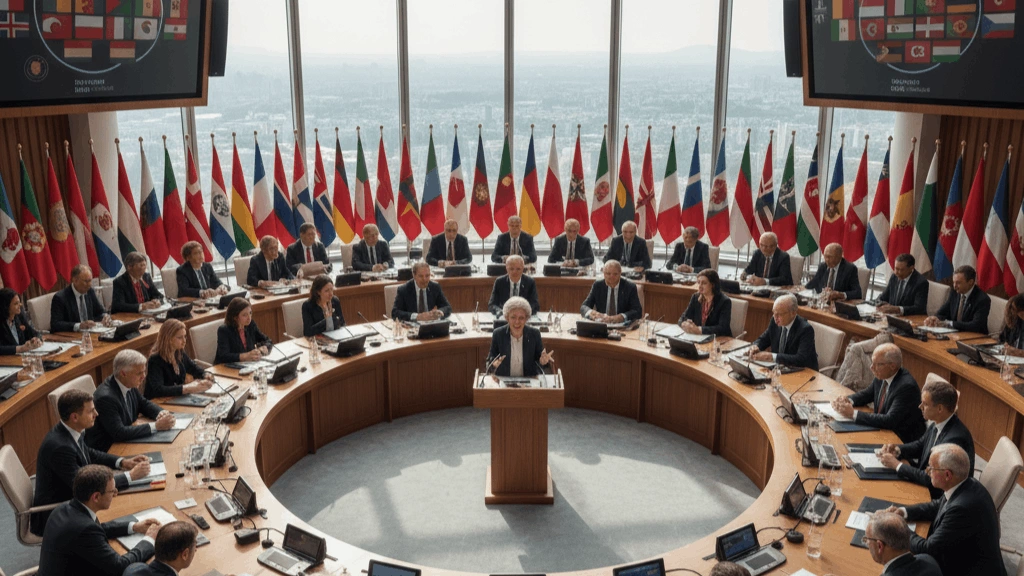
World leaders and heads of state are the individuals who hold the highest executive power in their countries, shaping domestic policy and representing their nations internationally. Presidents, prime ministers, chancellors, kings, queens, and general secretaries have each wielded power in different constitutional contexts. Some leaders - like Nelson Mandela, Winston Churchill, and Franklin D. Roosevelt - are celebrated for guiding their nations through crises. Others are remembered for authoritarianism, corruption, or conflict. Understanding who currently leads the world's nations and who has led them in the past is fundamental to political literacy. This sub-category tests knowledge of current and recent world leaders, their countries and political parties, their major policies and legacies, and the political contexts in which they have exercised power.