
All Science Topics
9 topics · Discover how nature works - atoms to ecosystems.
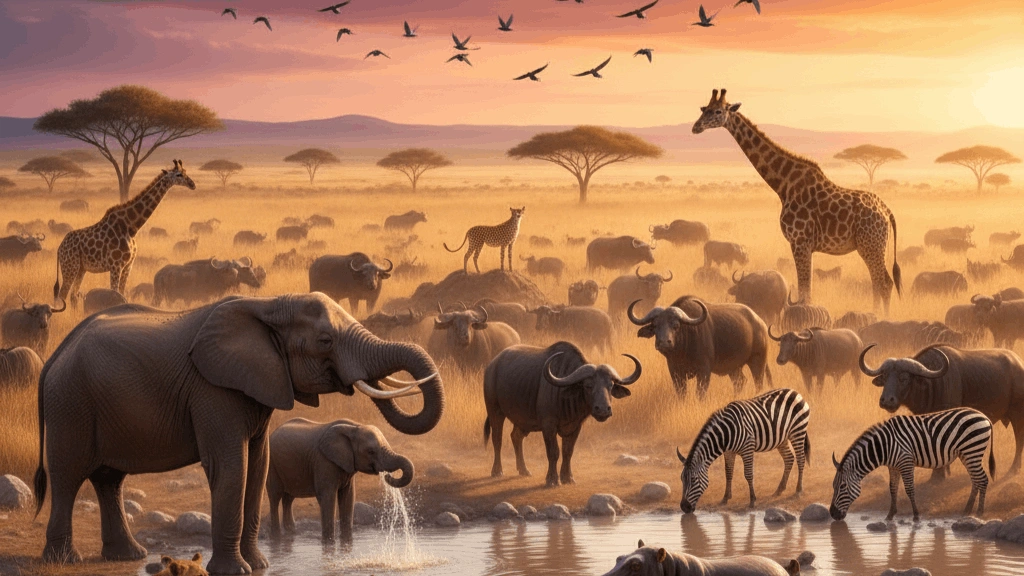
Animals
Ever wondered how a cheetah reaches 70 mph, why octopuses have three hearts, or how migrating birds never lose their way? The animal kingdom is one of nature's greatest masterpieces wild, weird, and endlessly fascinating. From the tiniest insects engineering perfect structures to the largest whales singing across entire oceans, every creature has a story worth knowing. This quiz dives deep into the science behind animal behavior, biology, adaptations, and survival instincts that have been perfected over millions of years of evolution. Whether you're a wildlife enthusiast, a biology buff, or just someone who finds animals endlessly captivating. This is your chance to test how well you really know the creatures we share this planet with.
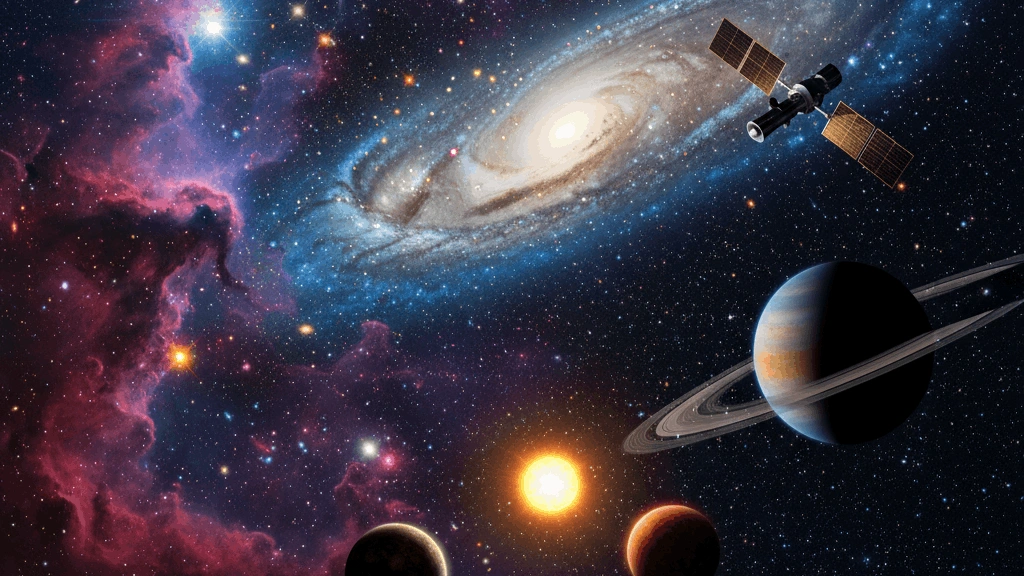
Astronomy & Space
Astronomy is one of humanity's oldest sciences, exploring the universe beyond Earth - its planets, stars, galaxies, black holes, and the cosmic events that shaped existence itself. Our solar system contains eight planets orbiting the Sun, along with moons, asteroids, and comets. Beyond lies the Milky Way galaxy, containing hundreds of billions of stars, itself one of an estimated two trillion galaxies in the observable universe. Space exploration - from Sputnik and Apollo to the Mars rovers and the James Webb Space Telescope - has expanded our knowledge enormously. This sub-category tests knowledge of celestial bodies, astronomical phenomena, space missions, and the scientific theories that explain the origin, structure, and ultimate fate of the universe.
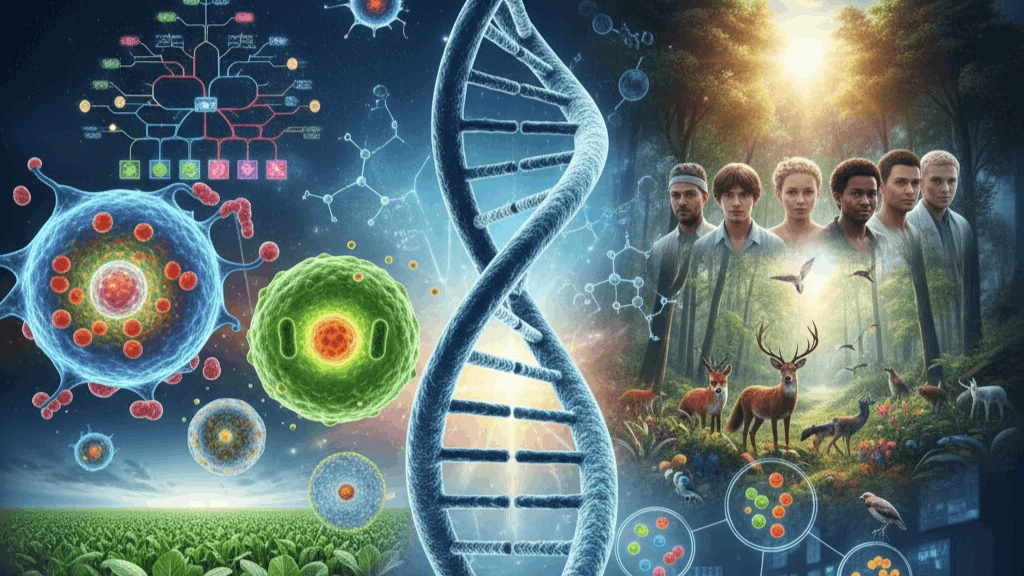
Biology & Life Sciences
Biology is the science of life in all its forms - from microscopic bacteria and viruses to complex ecosystems and the human body. It encompasses genetics, which studies heredity and DNA; evolution, which explains how species change over time through natural selection; cell biology, which examines the basic unit of life; and ecology, which explores how organisms interact with their environments. Anatomy and physiology describe the structure and function of living bodies. Microbiology, botany, and zoology each examine distinct kingdoms of life. Advances in molecular biology and genomics are transforming medicine and agriculture. This sub-category tests knowledge of living organisms, biological processes, evolutionary history, and the scientific principles that explain how life functions, adapts, and diversifies on Earth.
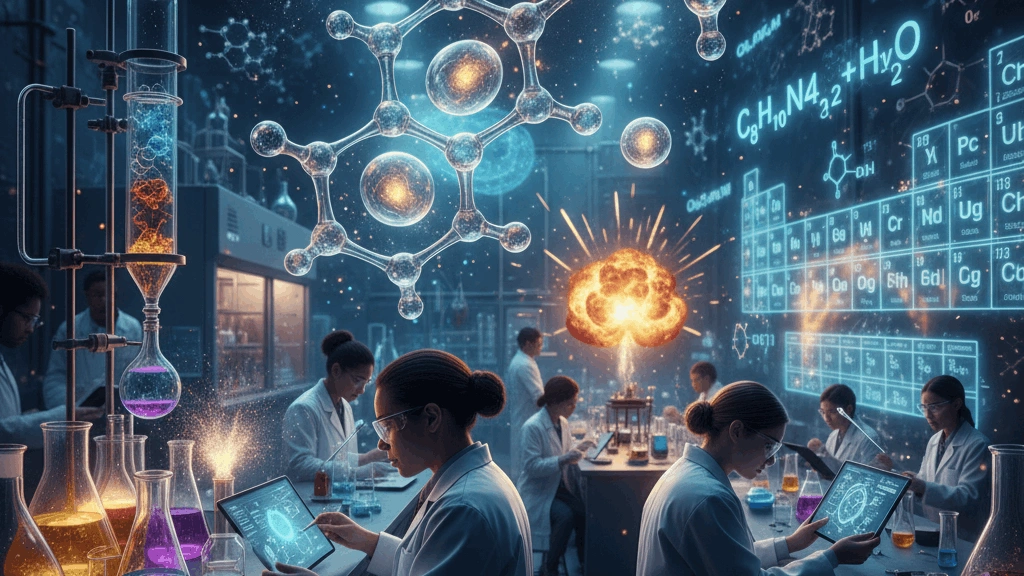
Chemistry
Chemistry is the science of matter - its composition, structure, properties, and the reactions by which it transforms. It spans from atomic structure and the periodic table to the complex molecular interactions in living cells. Organic chemistry studies carbon-based compounds and underlies the pharmaceutical and plastics industries. Inorganic chemistry covers metals, salts, and minerals. Physical chemistry bridges chemistry and physics, examining thermodynamics and reaction kinetics. Chemistry is central to medicine, materials science, food production, and environmental monitoring. Famous chemists including Marie Curie, Dmitri Mendeleev, and Linus Pauling made breakthroughs that transformed science and industry. This sub-category tests knowledge of chemical elements, compounds, reactions, and the principles that govern how matter behaves and interacts.
Earth Science & Geology
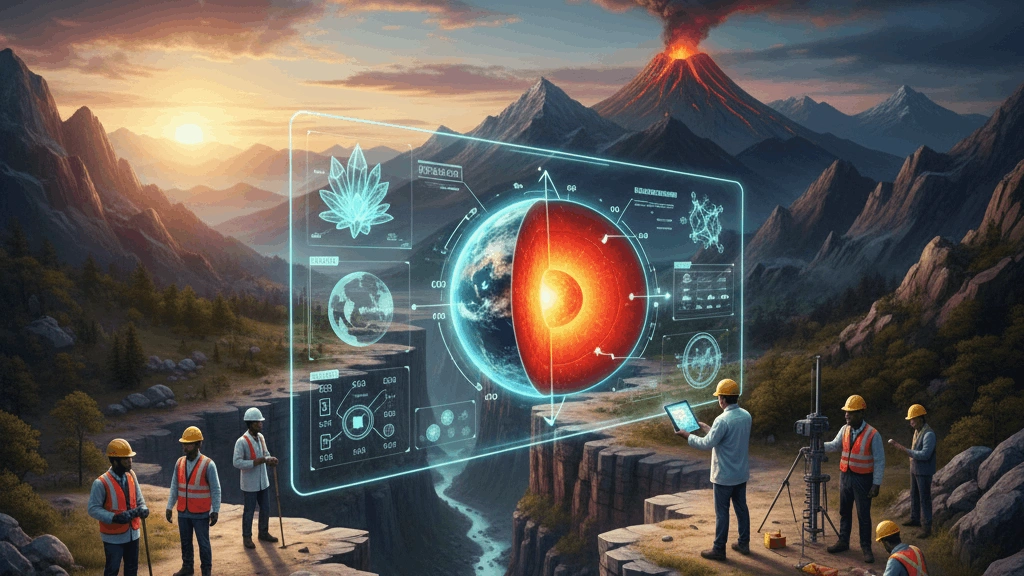
Earth science encompasses the study of our planet's physical structure, processes, and history. Geology investigates rocks, minerals, and the processes of plate tectonics that drive earthquakes, volcanic eruptions, and mountain building. It also covers the rock cycle, glaciation, and the interpretation of fossil records. Meteorology studies the atmosphere and weather; oceanography examines the seas; and geophysics probes the deep interior of Earth. Together these disciplines reveal how our dynamic planet has changed over 4.5 billion years and continues to change today. This sub-category tests scientific knowledge of Earth's composition, geological history, natural hazards, and the powerful internal and external forces that constantly reshape the planet's surface and interior.

Environment & Ecology
Environmental science and ecology study the relationships between living organisms and their physical surroundings. Ecology examines how species interact with each other and their habitats - through food webs, competition, symbiosis, and predator-prey dynamics. Environmental science addresses the broader health of Earth's systems: air and water quality, biodiversity, climate change, deforestation, and pollution. Ecosystems range from tropical rainforests and coral reefs to arctic tundra and deep oceans. Human activity is now the dominant force reshaping these systems, driving species extinctions and altering global climate. This sub-category tests knowledge of ecological principles, major biomes, environmental challenges, conservation efforts, and the science behind sustaining the natural systems that support all life on Earth.
Inventions & Discoveries
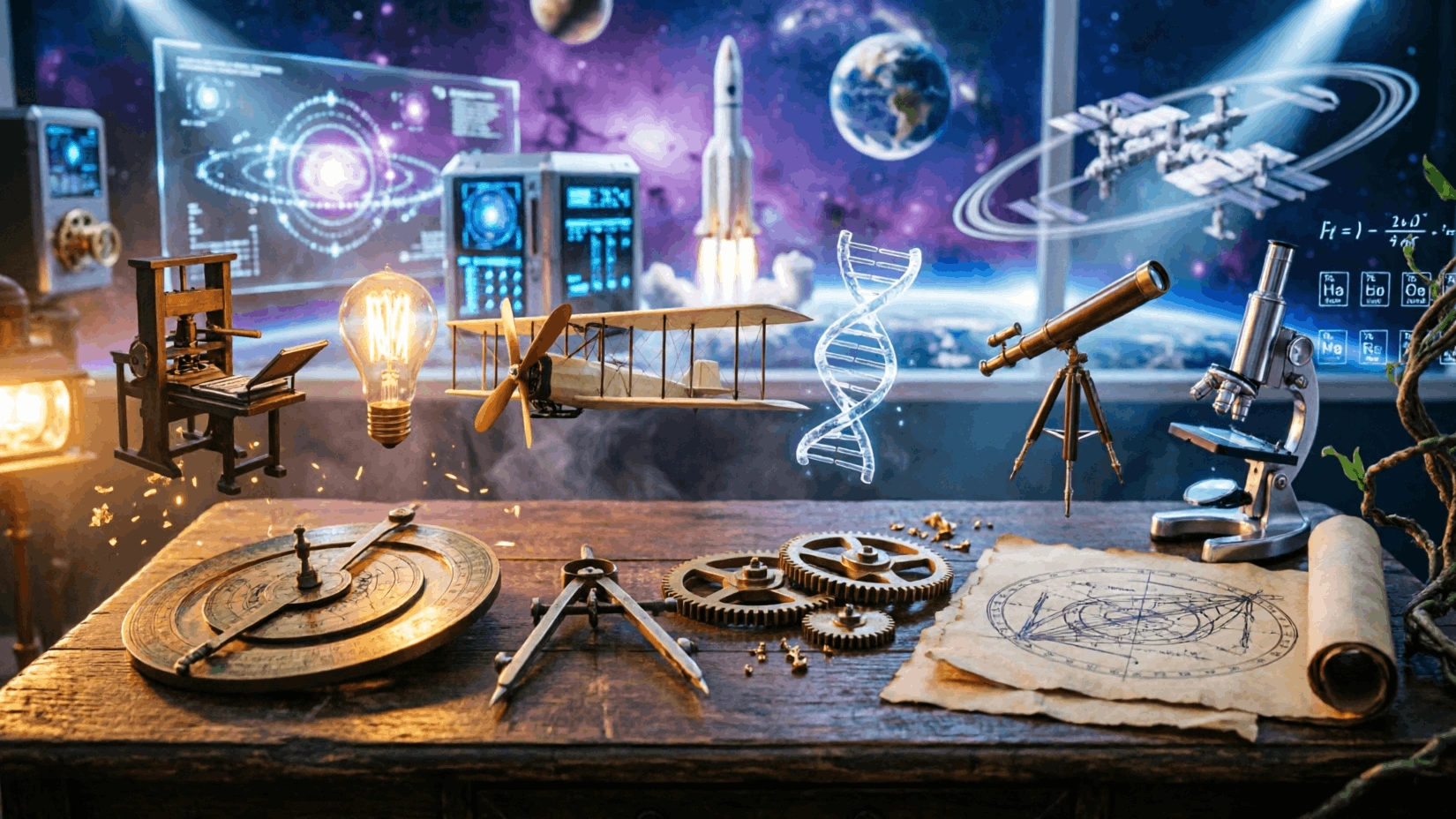
Science's greatest leaps forward have come through inventions and discoveries that transformed human understanding and everyday life. The invention of the microscope opened up the microbial world; the discovery of electricity powered modern civilisation; and the development of vaccines has saved hundreds of millions of lives. Scientific discoveries follow a process of curiosity, experimentation, and sometimes serendipity - penicillin was discovered by accident, while the structure of DNA was revealed through painstaking X-ray crystallography. This sub-category traces landmark scientific inventions and discoveries across all disciplines - the innovators behind them, the problems they solved, and the broader transformations they triggered in medicine, physics, chemistry, biology, and beyond.
Physics
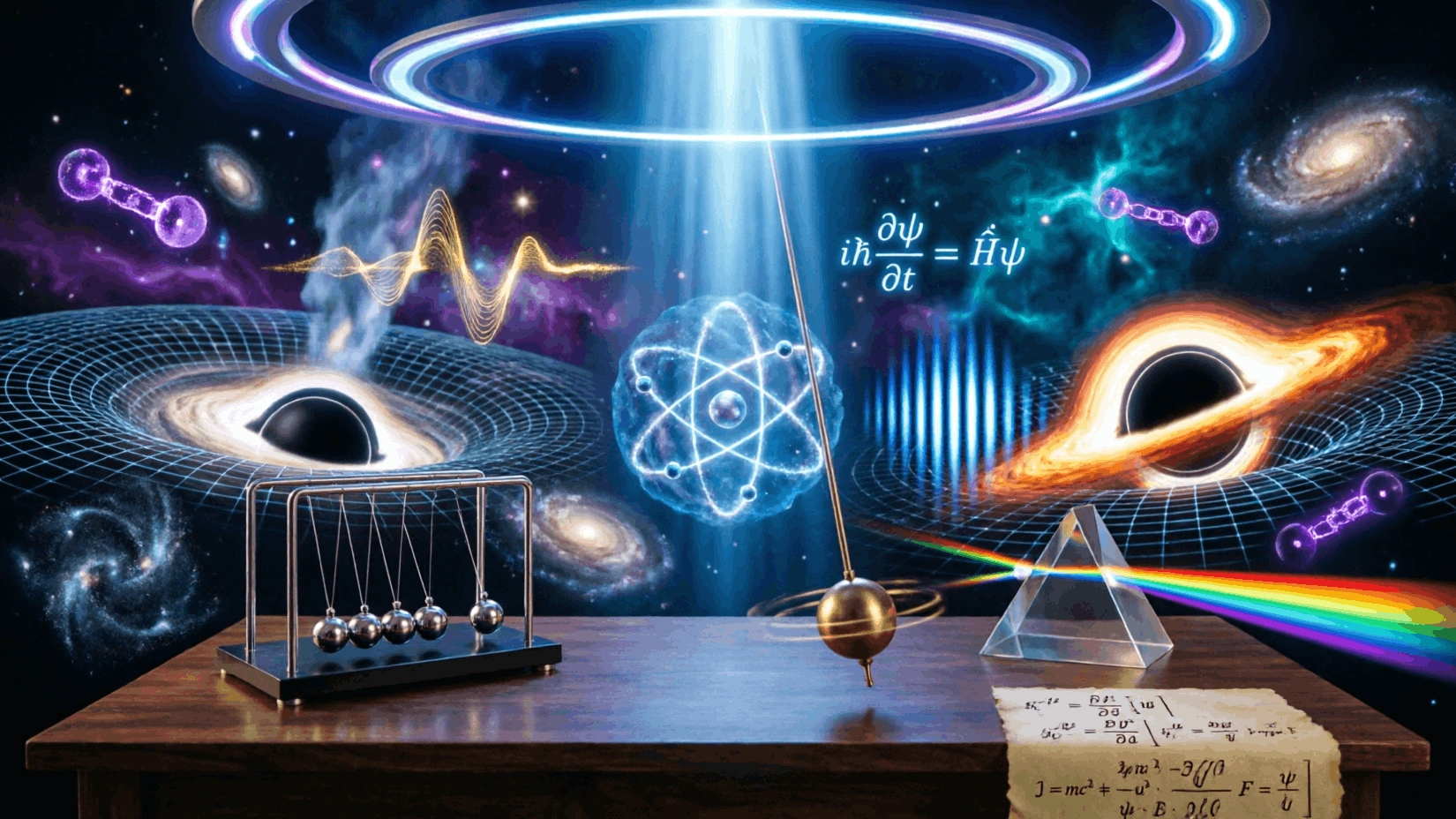
Physics is the fundamental science that explores the nature of matter, energy, space, and time. It investigates everything from subatomic particles to the large-scale structure of the universe. Classical mechanics describes the motion of objects; thermodynamics governs heat and energy transfer; electromagnetism explains light and electrical phenomena; and quantum mechanics reveals the bizarre behaviour of particles at the smallest scales. Einstein's theories of relativity revolutionised our understanding of gravity and spacetime. Physics underpins all other sciences and drives technologies from lasers and semiconductors to nuclear energy and GPS systems. This sub-category tests knowledge of physical laws, theories, and concepts - from Newton's laws of motion to modern particle physics and the fundamental forces governing the universe.
Science - General
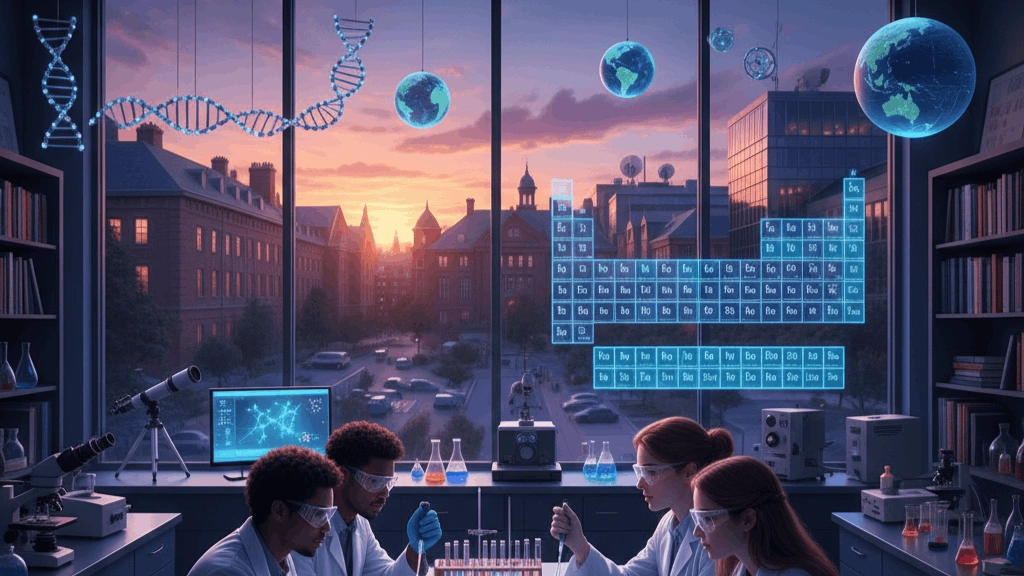
General science covers the broad foundational knowledge that underlies all scientific disciplines. It includes core concepts in the scientific method, basic physics, chemistry, biology, and earth science that every scientifically literate person should understand. Topics range from understanding the states of matter and the laws of thermodynamics to the basic principles of genetics and evolution. General science also touches on everyday phenomena - why the sky is blue, how rainbows form, what causes seasons - and the scientists whose work built the modern scientific worldview. This sub-category tests wide-ranging scientific knowledge, from fundamental facts and concepts to famous experiments and discoveries, providing the foundational understanding that connects all branches of scientific inquiry.