All Technology Topics
7 topics · From code to chips - how modern tech is built.
AI, Data & Emerging Tech
Artificial intelligence, data science, and emerging technologies are reshaping every sector of the global economy. AI systems now perform tasks once thought uniquely human - recognising images, translating languages, diagnosing diseases, and generating creative content. Machine learning allows systems to improve through experience without explicit programming. Big data analytics extracts insights from enormous datasets to drive business and scientific decisions. Blockchain, augmented reality, quantum computing, and biotechnology represent the next frontier of innovation. This sub-category tests knowledge of AI concepts, data-driven technologies, and the emerging innovations that are transforming industries, raising ethical questions about automation and privacy, and opening up possibilities that will define the technological landscape of the coming decades.
Hardware & Components
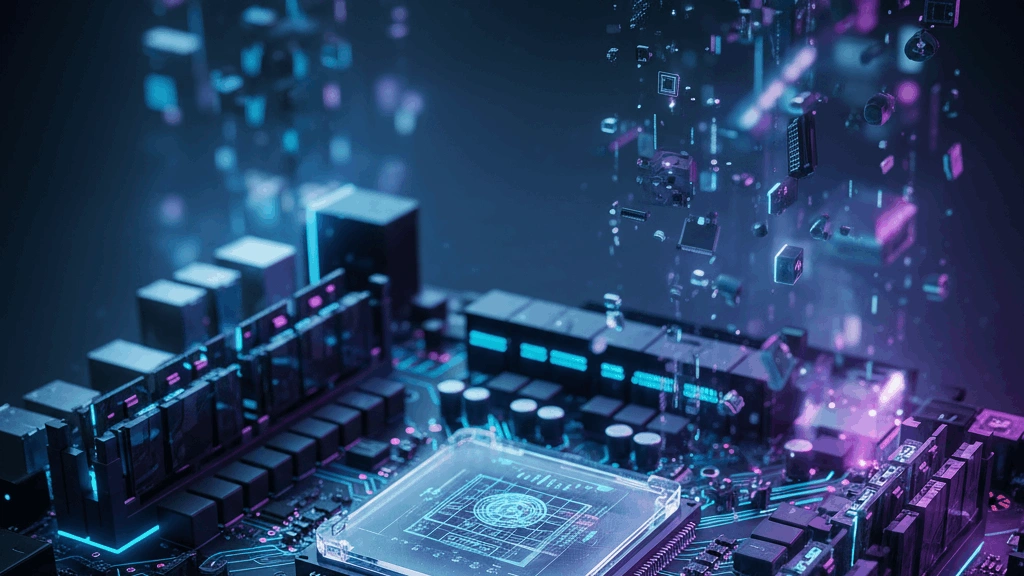
Computer hardware refers to the physical components that make up a computer system. The central processing unit (CPU) executes instructions; RAM provides fast temporary memory; storage devices like SSDs and hard drives hold data permanently; and graphics cards handle visual processing. Motherboards connect all components; power supplies deliver electricity; and cooling systems prevent overheating. From personal computers and smartphones to servers and supercomputers, hardware design determines performance, efficiency, and capability. Moore's Law predicted that transistor density would double approximately every two years, driving decades of exponential improvement. This sub-category tests knowledge of computer hardware components, their functions, key specifications, and the evolution of physical computing technology from early mainframes to today's powerful devices.
Networking & Internet
Networking connects computers and devices to enable communication and data sharing. The internet - a global network of networks - has become the backbone of modern life, supporting communication, commerce, media, and services for billions of people. Key networking concepts include IP addresses, DNS, TCP/IP protocols, routers, switches, and bandwidth. The World Wide Web, invented by Tim Berners-Lee in 1989, created the graphical, hyperlinked layer most users experience. Wi-Fi, fibre optics, and 5G have expanded connectivity. Cloud computing delivers computing resources over the internet. This sub-category tests knowledge of how networks function, the technologies underlying the internet, key protocols and infrastructure, cybersecurity in networked environments, and the history of connectivity that created our always-on digital world.

Programming & Development
Programming is the process of writing instructions that computers execute, using languages such as Python, JavaScript, C++, Java, and SQL. Software development encompasses the full lifecycle of building applications - from design and coding to testing, deployment, and maintenance. Developers use frameworks, libraries, and development environments to work efficiently. Concepts such as algorithms, data structures, object-oriented programming, and version control are fundamental to the field. Web development builds the interfaces and systems behind websites and apps. This sub-category tests knowledge of programming languages, development concepts, key algorithms, and the tools and methodologies used by software engineers to build the applications and systems that power the modern digital world.

Software & Security
Software is the set of instructions that tell computer hardware what to do - encompassing operating systems, applications, databases, and the code that powers the internet. Software development involves writing, testing, and maintaining these instructions using programming languages and frameworks. Cybersecurity protects systems, networks, and data from theft, damage, and unauthorised access. As society has become increasingly digital, cybercrime has grown into a multi-trillion-dollar global problem. Threats include malware, ransomware, phishing, and state-sponsored hacking. This sub-category tests knowledge of software concepts, major operating systems and applications, cybersecurity principles, common threats and defences, and the people and organisations shaping the software and security landscape of the modern digital world.

Tech Companies & Founders
The technology industry is dominated by a handful of companies whose products and platforms are used by billions of people daily. Companies like Apple, Microsoft, Google, Amazon, Meta, and Tesla have not only built enormously profitable businesses but fundamentally reshaped communication, commerce, entertainment, and society. Behind each company is a story of founders, visionaries, and innovators - Steve Jobs, Bill Gates, Larry Page, Jeff Bezos, Elon Musk - whose decisions created the digital age. This sub-category tests knowledge of major technology companies, their founding stories, key products and services, the entrepreneurs who built them, and the broader impact these corporations have had on technology, culture, economics, and the global balance of power.

Technology - General
General technology knowledge covers the broad landscape of how digital systems, devices, and innovations shape modern life. It spans computing fundamentals, the history of technological development, key inventions and their impact, and the way technology intersects with society, economics, and culture. Understanding technology means grasping both its enormous power to solve problems and the challenges it creates around privacy, inequality, addiction, and misinformation. From the invention of the transistor to the rise of the smartphone, technological progress has accelerated dramatically. This sub-category tests wide-ranging technology knowledge - from general computing concepts and famous innovations to the companies, people, and breakthroughs that have defined the digital revolution and continue to shape our world.