
Computer hardware refers to the physical components that make up a computer system. The central processing unit (CPU) executes instructions; RAM provides fast temporary memory; storage devices like SSDs and hard drives hold data permanently; and graphics cards handle visual processing. Motherboards connect all components; power supplies deliver electricity; and cooling systems prevent overheating. From personal computers and smartphones to servers and supercomputers, hardware design determines performance, efficiency, and capability. Moore's Law predicted that transistor density would double approximately every two years, driving decades of exponential improvement. This sub-category tests knowledge of computer hardware components, their functions, key specifications, and the evolution of physical computing technology from early mainframes to today's powerful devices.
💻
Hardware & Components Study Guide
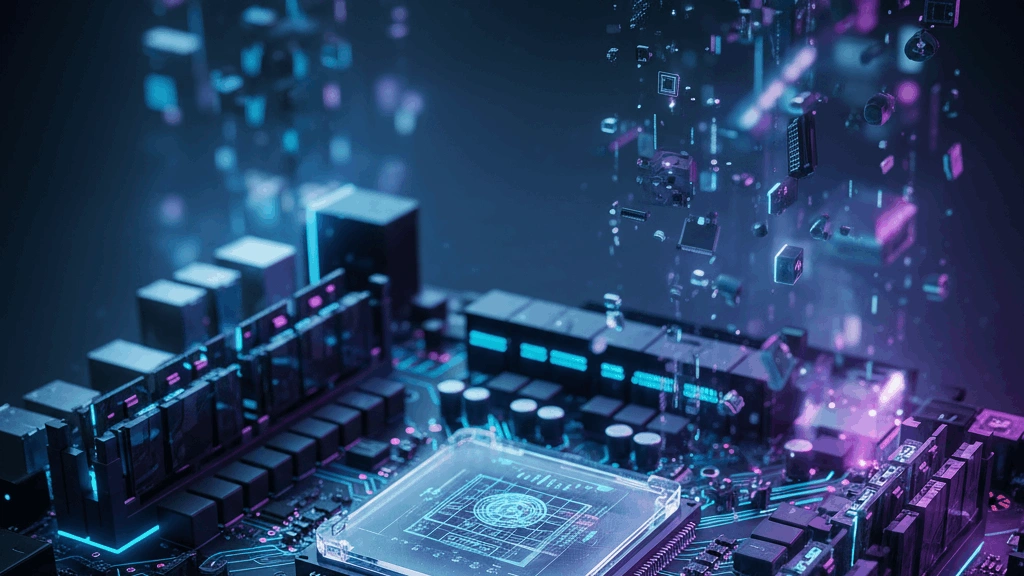
Hardware & Components Study Guide
Computer hardware refers to the physical components that make up a computer system. The central processing unit (CPU) executes instructions; RAM provides fast temporary memory; storage devices like SSDs and hard drives hold data permanently; and graphics cards handle visual processing. Motherboards connect all components; power supplies deliver electricity; and cooling systems prevent overheating. From personal computers and smartphones to servers and supercomputers, hardware
1 min read · 115 words · Admin