
International trade involves the exchange of goods, services, and capital across national borders and is a cornerstone of the global economy. Trade theories - from comparative advantage to the Heckscher-Ohlin model - explain why nations specialise and trade. Institutions like the World Trade Organization (WTO), International Monetary Fund (IMF), and World Bank govern and facilitate global commerce and finance. Exchange rates, tariffs, trade agreements, and balance of payments are central concepts. Globalisation has deepened economic interdependence but also generated debates about inequality, job losses, and national sovereignty. This sub-category tests knowledge of how international trade works, the institutions governing it, key trade agreements, exchange rate dynamics, and the economic arguments for and against free trade in the global economy.
📈
International Trade & Finance Study Guide
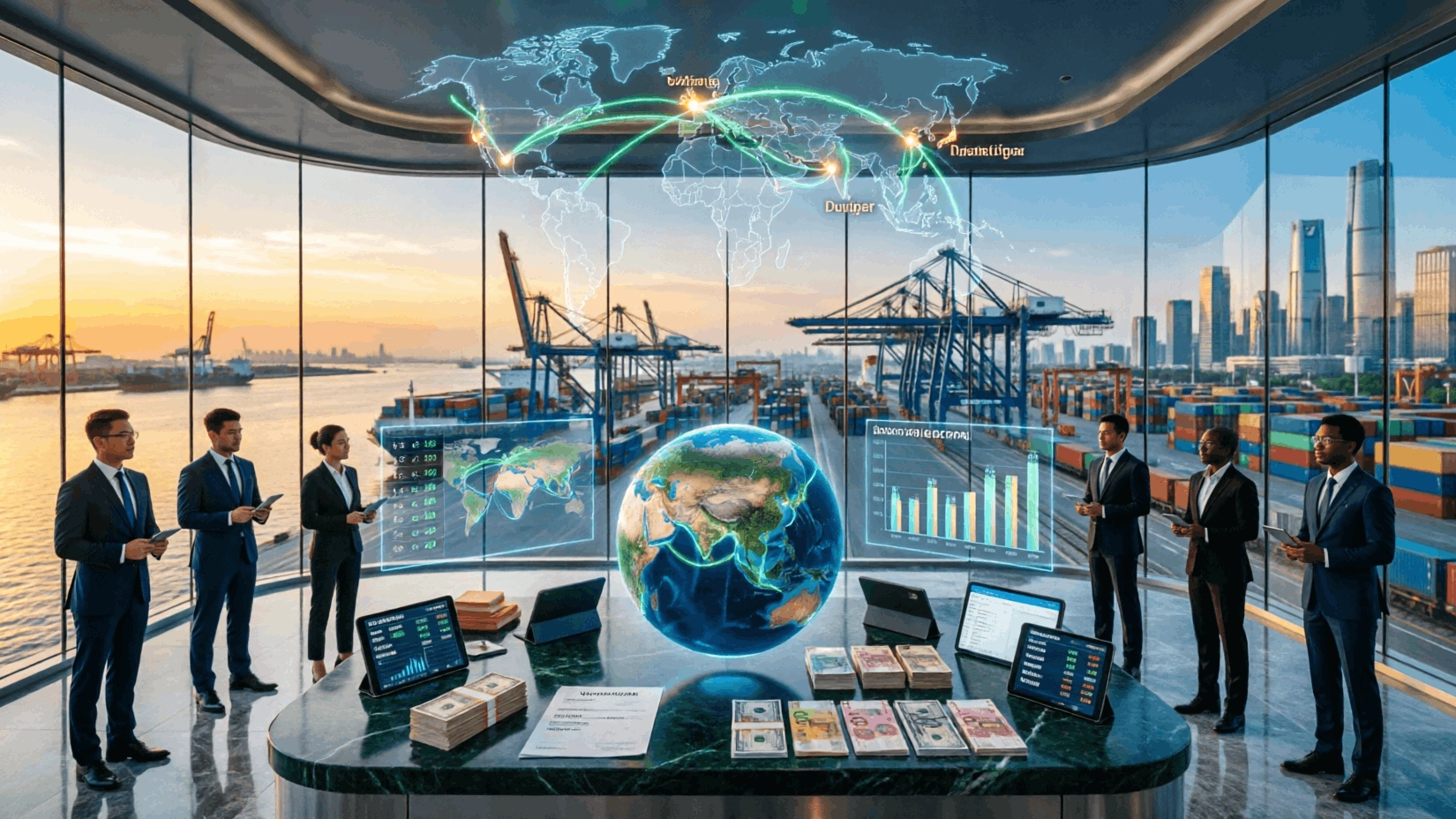
International Trade & Finance Study Guide
International trade involves the exchange of goods, services, and capital across national borders and is a cornerstone of the global economy. Trade theories - from comparative advantage to the Heckscher-Ohlin model - explain why nations specialise and trade. Institutions like the World Trade Organization (WTO), International Monetary Fund (IMF), and World Bank govern and facilitate global commerce and finance. Exchange rates, tariffs, trade agreements, and balance of payments
1 min read · 117 words · Admin