
Lakes are large inland bodies of standing water, formed through glacial activity, tectonic movements, volcanic craters, or river processes. They vary enormously - from the vast Caspian Sea, technically the world's largest lake, to tiny alpine pools. The African Great Lakes, including Victoria, Tanganyika, and Malawi, support millions of people and unique endemic species. Lake Baikal in Siberia holds around 20 percent of the world's surface freshwater. Lakes are crucial for freshwater supply, fisheries, and climate regulation. This sub-category tests knowledge of the world's notable lakes - their locations, depths, sizes, the countries they lie within, and their ecological and economic importance to surrounding regions.
🌍
Lakes Study Guide
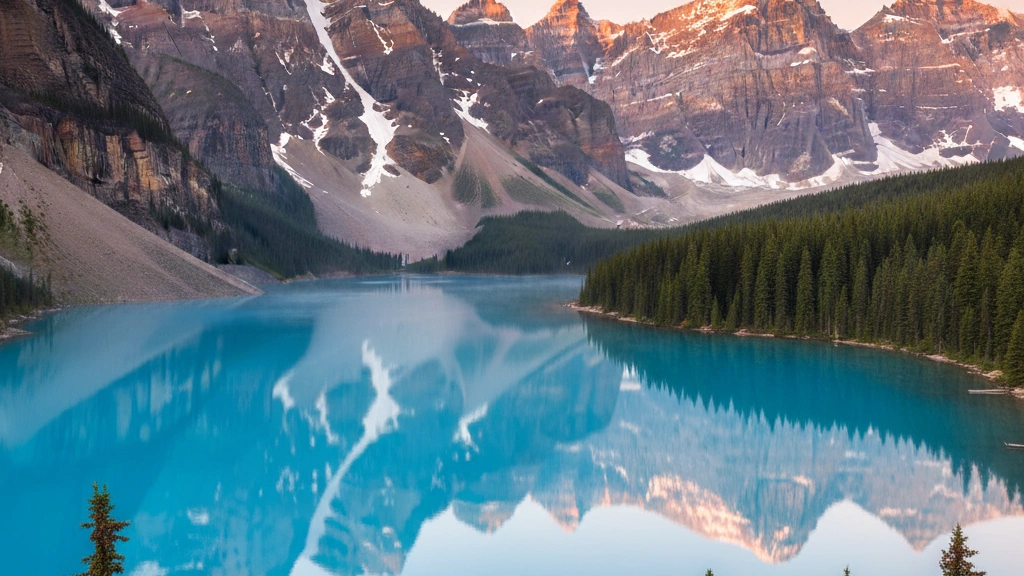
Lakes Study Guide
Lakes are large inland bodies of standing water, formed through glacial activity, tectonic movements, volcanic craters, or river processes. They vary enormously - from the vast Caspian Sea, technically the world's largest lake, to tiny alpine pools. The African Great Lakes, including Victoria, Tanganyika, and Malawi, support millions of people and unique endemic species. Lake Baikal in Siberia holds around 20 percent of the world's surface freshwater. Lakes are crucial for fr
1 min read · 105 words · Admin