
Political systems define how power is organised, distributed, and legitimised within a state. Democracies - both direct and representative - give citizens a role in political decisions. Authoritarian systems concentrate power in a single leader or party. Theocracies ground governance in religious authority. Federal systems divide power between national and regional governments, while unitary systems centralise it. Constitutional monarchies, republics, one-party states, and military juntas each represent different ways of organising political authority. Good governance involves accountability, transparency, rule of law, and effective delivery of public services. This sub-category tests knowledge of the world's diverse political systems, governance structures, and constitutional arrangements - how they differ, what advantages and weaknesses each has, and how political systems have evolved across different countries and historical periods.
⚖️
Political Systems & Governance Study Guide
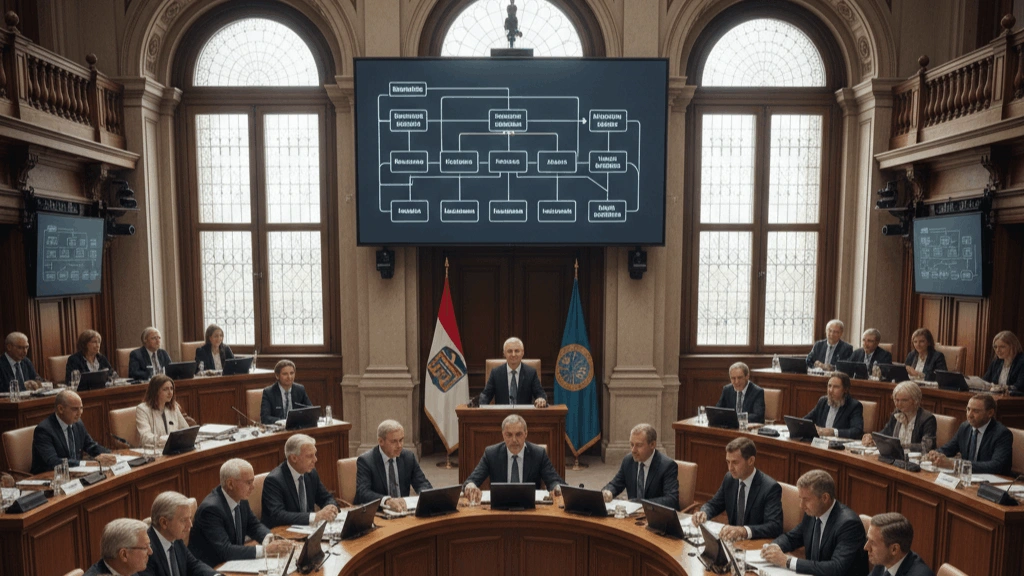
Political Systems & Governance Study Guide
Political systems define how power is organised, distributed, and legitimised within a state. Democracies - both direct and representative - give citizens a role in political decisions. Authoritarian systems concentrate power in a single leader or party. Theocracies ground governance in religious authority. Federal systems divide power between national and regional governments, while unitary systems centralise it. Constitutional monarchies, republics, one-party states, and mi
1 min read · 122 words · Admin